
This post is also available in:
 日本語
日本語  Türkçe
※この記事内にはプロモーションが含まれています。
Are you an international student in Japan wondering “How do I find a job?” or “How many hours can I work with my visa status?” This comprehensive guide covers everything you need to know about starting part-time work in Japan, from essential basic knowledge to the best job sites and apps for finding work. We’ll explore popular job categories like food service and retail, important points to consider while working, and real experiences from fellow international students. Get ready to find the perfect job for you and make your study abroad experience even more fulfilling!
- Essential basics for international students starting part-time work in Japan
- Effective methods and tips for successful part-time job hunting
- Popular part-time job categories among international students
- Comprehensive introduction to recommended job sites and apps for international students looking for part-time work
- Important points for international students to keep in mind when looking for part-time work
- Real part-time job experiences of international students
- Essential Knowledge Before Starting Part-Time Work in Japan
- Helpful Methods and Tips for Job Hunting
- Popular Part-Time Job Categories Among International Students
- Recommended Part-time Job Sites & Apps
- Points to keep in mind when looking for a part-time job in Japan
- Part-time work experience of foreign students
- Summary
Essential Knowledge Before Starting Part-Time Work in Japan

Before diving into the Japanese part-time job market, there are several crucial things you need to understand. First, check your residence status (在留資格 – zairyuu shikaku) and understand that student visa holders can work up to 28 hours per week (with exceptions for full-time work during long holidays in some cases). Next, it’s important to verify minimum wage and working conditions. Understanding the minimum wage that varies by region and legally mandated break times will help you avoid problems. Taxes and insurance are also important considerations. Income above certain amounts may be subject to resident tax (住民税 – juuminzei) and income tax (所得税 – shotokuzei), and your workplace may handle year-end tax adjustments (年末調整 – nenmatsu chousei). With these fundamentals covered, you’ll be prepared to start part-time work in Japan with confidence.
Residence Status and Working Hours
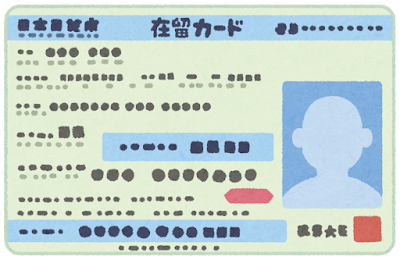
Understanding the rules around residence status (在留資格 – zairyuu shikaku) and allowable working hours is crucial when starting part-time work in Japan. To work part-time with a “student” residence status, you must obtain “Permission to Engage in Activity Other Than That Permitted Under the Status of Residence Previously Granted” (資格外活動許可 – shikakugai katsudou kyoka).
Student visa holders are typically allowed to work up to 28 hours per week. This limit is calculated as a weekly total, so if you’re working multiple part-time jobs, the combined hours must stay within 28 hours per week. However, during long vacation periods like summer or winter break, you may be allowed to work 8 hours per day (up to 40 hours per week).
Additionally, working in businesses classified as adult entertainment (bars, cabaret clubs, pachinko parlors, etc.) is prohibited. Failing to follow these rules can result in visa cancellation or deportation orders, so it’s essential to carefully verify and adhere to these regulations before starting any job.
Minimum Wage and Working Conditions
When working part-time in Japan, it’s crucial to understand minimum wage and working conditions. Minimum wage varies by prefecture, and as of 2025, it averages around 1,100 yen per hour. If a workplace offers wages below the minimum wage, it’s illegal.
Regarding working conditions, excessively long hours or lack of breaks are also problematic. Under Labor Standards Law, work shifts of 6 hours or more require at least a 45-minute break, while shifts of 8 hours or more require at least a 1-hour break. To avoid unfair working conditions, always verify wages and working conditions before signing any contract. If you have concerns, consider consulting your local Labor Standards Inspection Office or your university’s consultation services.
Taxes and Insurance

International students working part-time in Japan need to understand taxes and insurance as well. If your annual part-time income exceeds 1.03 million yen, you may be subject to income tax (所得税 – shotokuzei). Your workplace will handle year-end tax adjustments (年末調整 – nenmatsu chousei), so make sure to submit the necessary documents. Resident tax ikamet vergisi (住民税 – juuminzei) is calculated based on the previous year’s income, so if your income exceeds 1 million yen, you’ll have tax obligations.
If you’re staying in Japan for more than 3 months, enrollment in National Health Insurance (国民健康保険 – kokumin kenkō hoken) is mandatory. Foreign residents aged 20-59 living in Japan must also enroll in the National Pension System (国民年金 – kokumin nenkin) and pay premiums.
Helpful Methods and Tips for Job Hunting

When looking for part-time work in Japan, understanding several methods and tips can help you find jobs efficiently. First, using job search websites and apps is convenient. Websites that specifically feature jobs for foreigners make it easy to find language support and foreigner-friendly workplaces. University career centers and local public facilities may also provide part-time job information. Additionally, having friends who already work part-time introduce you to openings at their workplace is another effective method.
Utilizing Job Sites and Apps

Using job search websites and apps is an extremely efficient method for finding part-time work. Many sites and apps allow you to search specifically for positions that “welcome international students,” making it easy to filter jobs suitable for students.
Apps enable you to check job postings during your free time and apply immediately to positions that interest you. Using multiple job sites and apps simultaneously ensures you don’t miss out on desirable opportunities.
Utilizing University and Community Support
Many universities have career centers and consultation services that provide part-time job information specifically for international students. These typically offer reliable job postings and comprehensive support when you face difficulties.
Local international exchange associations and municipal offices may also publish part-time job information targeting international students. Community bulletin boards and events can also be sources of job information, so actively gather information. Utilizing university and community support makes it easier to find trustworthy workplaces.
Leveraging Your Network

Leveraging your network is another effective job-hunting method. Consulting with friends, acquaintances, and university seniors can lead to introductions to reliable workplaces and hidden job opportunities.
Using international student communities and social media groups is also beneficial. Online groups with active regional information exchange often share job openings and experiences. Utilizing connections with trustworthy people makes it easier to find workplaces where you can work with peace of mind.
Popular Part-Time Job Categories Among International Students
Among the part-time job categories chosen by international students, food service positions like cafes and restaurants are popular because they provide environments where you can practice Japanese while working. Convenience store staff positions are also accessible for those with basic Japanese ability, and the 24-hour operation provides flexible scheduling options.
Additionally, jobs that utilize English skills, such as English conversation instructor or translation/interpretation work, are attractive options for foreigners since native language abilities become strengths. Other popular choices include light industrial work, warehouse operations, and food delivery services.
Food Service Industry

The food service industry is one of the most popular part-time job destinations for international students. This includes cafes, restaurants, izakaya (Japanese pubs), and other establishments offering roles in customer service, cooking assistance, and dishwashing. Customer service positions provide many opportunities to use Japanese, helping improve language skills.
Many workplaces offer flexible scheduling, making it easier to balance with studies. Additional perks include employee meal discounts and the enjoyment of teamwork. As a beginner-friendly industry, it’s chosen by many international students.
Retail Industry

Retail work is one of the most accessible part-time jobs for international students. This includes work at convenience stores, supermarkets, clothing shops, and other retail establishments, with duties including customer service, cashier work, and product display.
Customer service involves extensive Japanese use, providing opportunities to improve practical conversation skills. You can also learn product knowledge while working, allowing you to choose workplaces that match your interests.
Many workplaces offer flexible scheduling, which is a major attraction for students. As an environment where you can simultaneously develop customer service skills and Japanese proficiency, it’s chosen by many international students.
Education and Translation

Education and translation-related work are popular part-time options for international students because they allow you to utilize your native language and language skills. For example, working as an instructor at English conversation schools or as a private tutor allows you to earn income while teaching English or your native language and enjoying cross-cultural exchange.
Translation and interpretation work is particularly suitable for students with high language proficiency and often offers flexible working arrangements.
These job categories allow you to utilize language skills and specialized knowledge, making them valuable for future career development. They’re attractive options for those who want to leverage their skills.
Recommended Part-time Job Sites & Apps
In this section, we will introduce recommended job sites and apps that provide free job listings for international students.
CONV

- CONV is a comprehensive job information site offering a wide range of job postings.
- Prefecture-based job searches help you find work accessible from home.
- Flexible options including full-time, dispatch, and part-time positions
- Simple, user-friendly platform for smooth searching and application processes
- Accommodates diverse job seekers including students, homemakers, freelancers, and those seeking side jobs
Shigoto in
- シゴトinis a service where you can search and apply for part-time, dispatch, and full-time positions nationwide.
- Over 200,000 job postings available at all times, covering diverse industries and regions
- Search by salary or daily wage with detailed condition settings for efficient job hunting, including filtering for “foreigner-friendly” positions

- Provides helpful information like resume writing tips and interview advice, making it reassuring for beginners
Petitjob

- Petitjob (プチジョブ) is a job matching service where you can work from just 2 hours per day with immediate daily payment
- Perfect for those who want to make effective use of their free time with short-term, single-day opportunities
- Simple registration process allows you to find work immediately when you want to work
- Convenient for those considering side jobs or utilizing spare time
- Targets those 18 and older, with particularly high usage among 18-34 year olds
- Recommended for those who want to work immediately or need money quickly

Rizoba.com

- What is Resort Work?
Live-in part-time work at resort destinations like beaches, mountains, hot springs, remote islands, and ski areas. Choose from diverse job categories including customer service, cooking assistance, cleaning, and activity staff. - Flexible Working Style
Choose your work location, job type, and duration according to your preferences. You can also enjoy tourism and local cuisine on your days off. - Comprehensive Support and Benefits
rizoba.com (リゾバ.com) offers over 800 job postings nationwide with free dormitory, meals, and utilities. Additional perks like free lift tickets at ski areas.
This service is ideal for international students who want special experiences at Japanese resort destinations during long holidays, those who want to save money while keeping living costs low, and those who want short-term work.

Resortbaito.com

- Industry No.1 High Wages: resortbaito.com (リゾートバイト.com) offers higher hourly wages compared to other companies, allowing efficient income generation
- Live-in Work: Part-time work at resort hotels, ryokan, ski areas, and other resort destinations nationwide
- Low Cost Burden: Free dormitory, meals, and utilities allow you to work while keeping living costs down
- Workplace Benefits: Free lift tickets at ski areas, free hot spring access at hot spring destinations, and other location-specific perks
- Popular with Students: Ideal for students, allowing you to balance work with special experiences
This service is ideal for international students who want special experiences at Japanese resort destinations during long holidays, those who want to save money while keeping living costs low, and those who want short-term work.

indeed
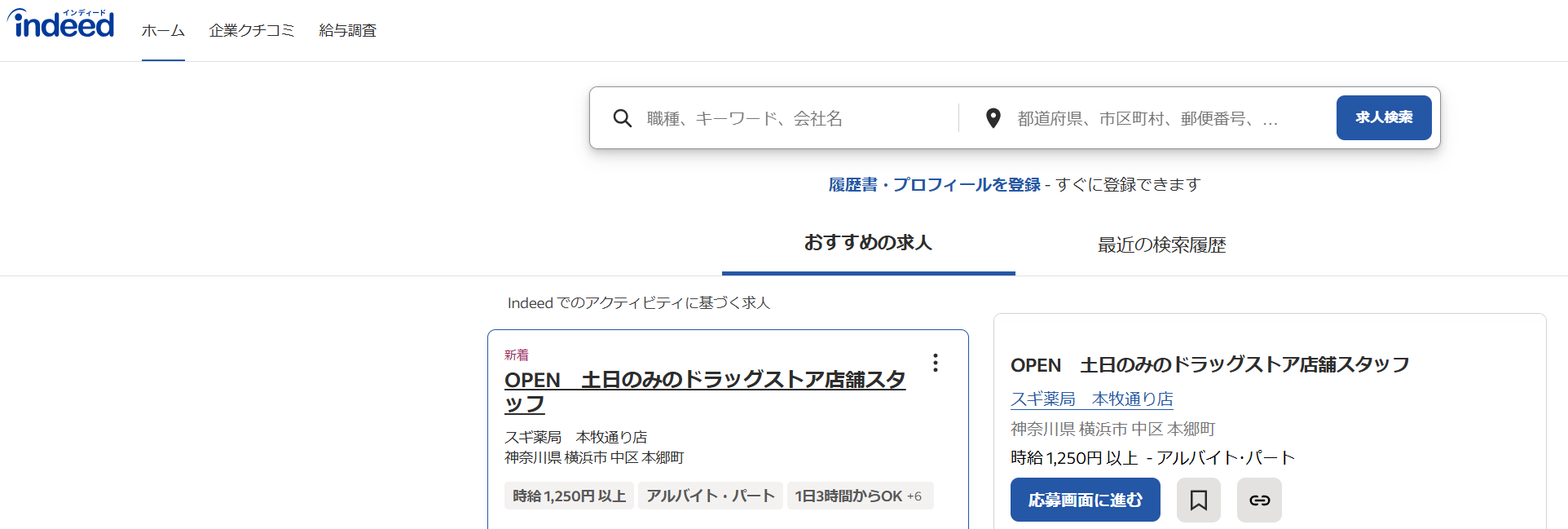
- World’s Largest Job Site: Indeed operates in over 60 countries, provides services in 28 languages, and covers 94% of global GDP
- Diverse Job Information: Supports various employment types including full-time, part-time, temporary, and dispatch work
- Simple Search Function: Find suitable jobs easily by entering keywords and work location
- Smooth Applications: Some jobs offer “Indeed Apply” functionality for direct applications within the site
- Salary Information Verification: Each job posting includes salary conditions for easy comparison
- Resources for Job Seekers: Comprehensive support features including resume creation tools and interview preparation content
- Globally Trusted Platform: Multi-language support provides access to jobs both within and outside Japan
GaijinPot
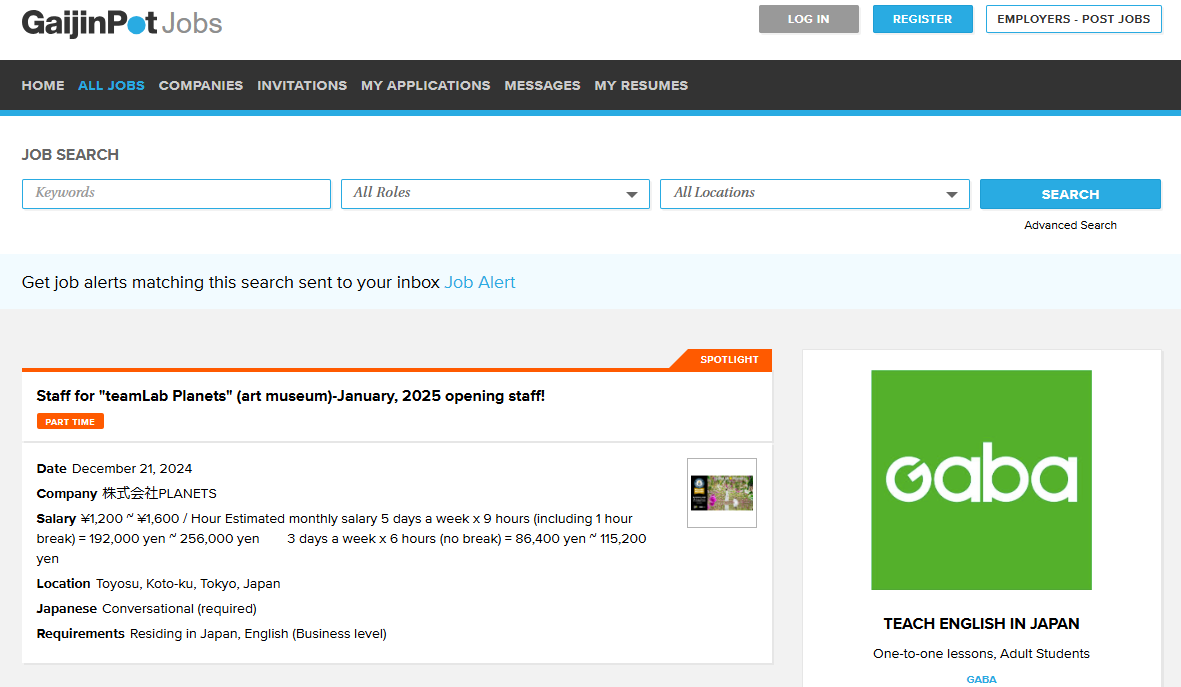
- Job Site for Foreigners: GaijinPot provides job information specifically for foreigners wanting to work in Japan
- Diverse Job Categories: Wide range of industries including education, IT, and hospitality
- English Support: All job information is provided in English, making it user-friendly for English speakers
- Regional Search: Easy job searching by specifying work location and conditions
- Comprehensive Living Information: Provides not only job searching but also housing information and living guides for Japan
- Online Applications: Simple operations allow direct job applications through the website
TownWork
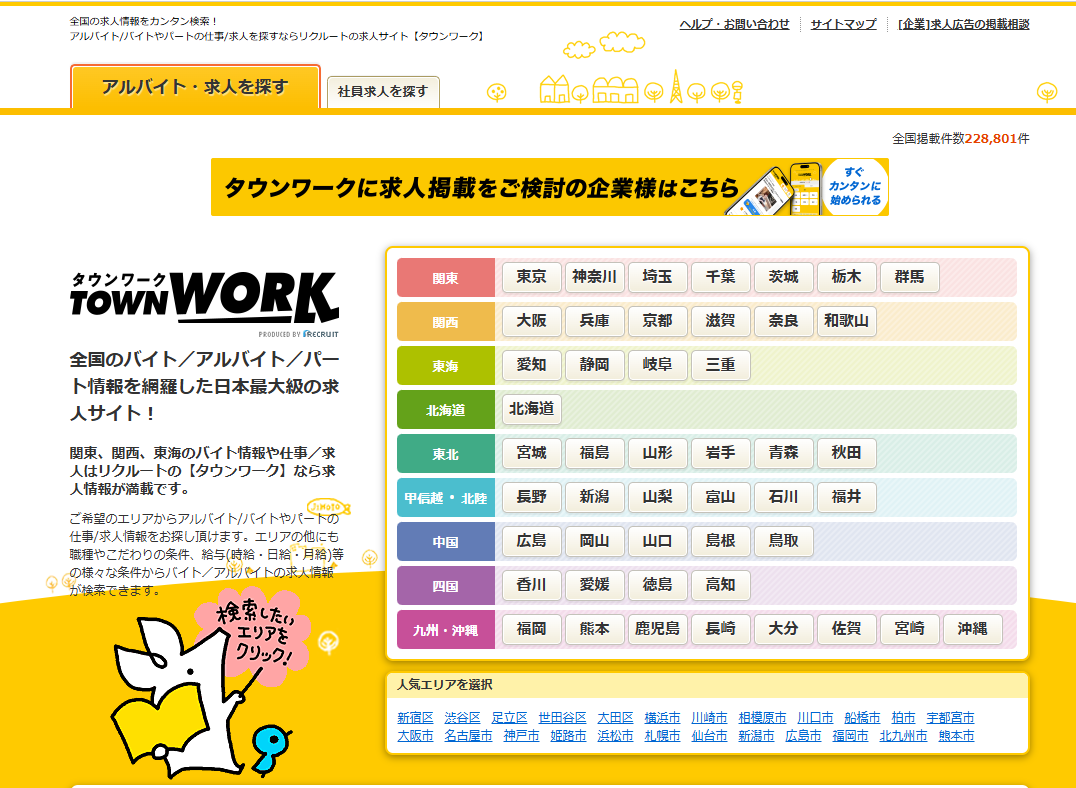
- Nationwide Coverage: TownWork covers part-time and temporary job information across Japan
- Wide Range of Job Categories: Diverse industries including food service, retail, office work, and manufacturing
- Convenient Regional Search: Filter searches by work location and nearest station
- Short-term and Long-term Options: Find jobs matching your preferences from short-term to long-term positions
- Free Job Information Magazine: Paper publications easily available at stations and convenience stores
- Simple Application Process: Smooth online application process
- Popular with Students and Homemakers: Abundant job opportunities that are easy to balance with studies or household responsibilities
Mynavi Baito International Student App
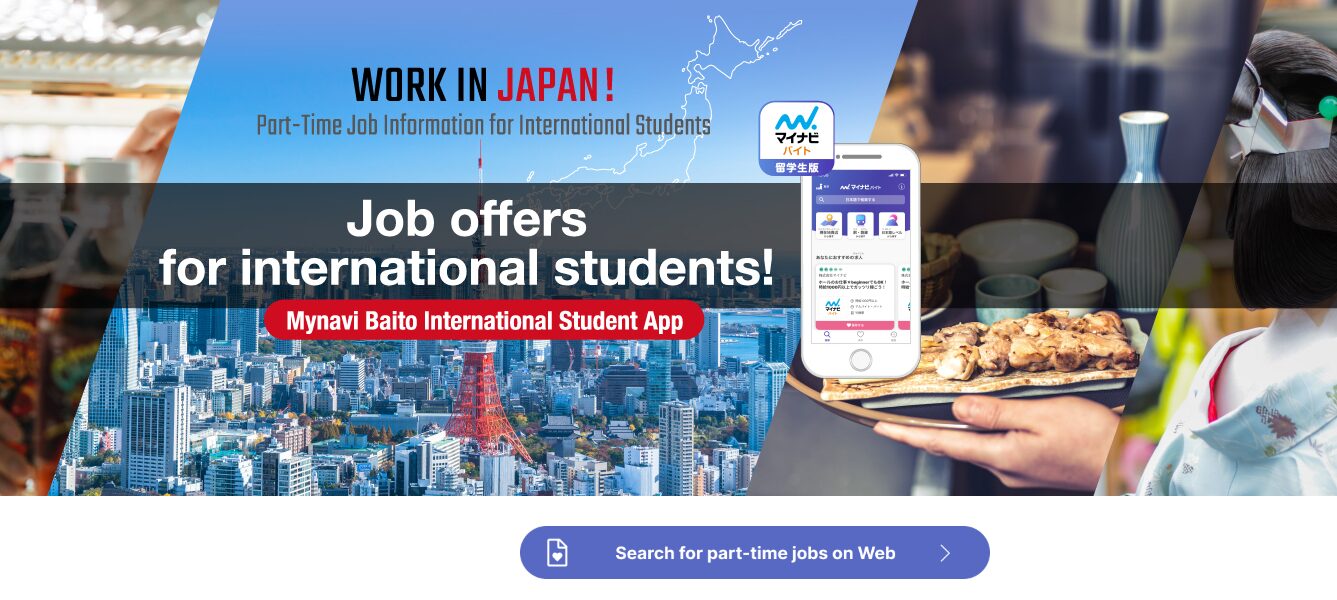
- Features Jobs Welcoming International Students: Abundant part-time job information specifically for international students
- Job Search by Japanese Level: Search functionality allowing job hunting based on Japanese language ability
- Nationwide Coverage: Regional job searches covering areas from urban centers to rural regions
- Diverse Job Categories: Job postings across various industries including food service, retail, and manufacturing
- Student Support Information: Comprehensive information about work-study environments and living support
- Easy Applications: Convenient job applications through the website
Points to keep in mind when looking for a part-time job in Japan

When job hunting, it’s important to keep several key points in mind. First, thoroughly verify job details, checking that salary, working hours, work location, and job duties are clearly stated. If anything is unclear, ask questions during the interview. To work under legal conditions, you must also adhere to minimum wage requirements and working hours that don’t exceed your permission for activities outside your visa status.
Additionally, receive employment contracts or working condition notification documents and review their contents to prevent problems. Be cautious of suspicious job postings or workplaces offering excessive conditions. Keep these points in mind to find part-time work where you can work with confidence.
On the other hand, choosing part-time work that helps develop Japanese language skills and communication abilities necessary for life in Japan provides not only economic benefits but also various skills for adapting to Japanese society. Therefore, it’s important to pay attention to these points when searching for part-time job opportunities.
Avoid Illegal Working Practices
Avoiding illegal working practices is essential when working part-time. This is particularly important for international students, who must follow rules based on their residence status. Working without obtaining “Permission to Engage in Activity Other Than That Permitted Under the Status of Residence Previously Granted” (資格外活動許可 – shikakugai katsudou kyoka) or working more than 28 hours per week violates the law and, in worst cases, carries the risk of forced deportation.
Workplaces offering wages below minimum wage or those that don’t provide employment contracts also require caution. Working under illegal conditions not only leads to trouble but can also impact your future career. To work with peace of mind, understand the rules and work under appropriate conditions.
Making it an Opportunity to Utilize/Develop Language Skills

Part-time work is an excellent opportunity to utilize and develop language skills. In customer service and retail positions, you can practically learn Japanese conversation skills and business manners. In English conversation instruction or translation/interpretation work, you can utilize your native language and English skills while simultaneously improving your Japanese abilities.
Additionally, in multinational workplaces, you can deepen cross-cultural understanding while exchanging information with other foreign staff members. Since language skills become career strengths, actively learn through part-time work and apply these skills to daily life and future employment.
The Importance of Communication

The importance of communication in part-time work cannot be overstated. Particularly in customer service roles and team-based workplaces, smooth communication significantly impacts work efficiency and workplace atmosphere.
Using Japanese not only improves language skills but also helps build trust relationships. Good communication with supervisors and colleagues is essential for smooth work progression.
When problems arise, actively expressing opinions or seeking help leads to faster resolutions. Effective communication is one of the essential skills for working.
Part-time work experience of foreign students

In this section, we introduce the part-time job experiences of two international students.
Translation/Interpretation Experience

“I experienced part-time interpretation work supporting workshops and tourism for overseas university students visiting Japan. My job involved interpreting explanations given in Japanese during workshops into Turkish and conveying questions from students to Japanese staff. During tourism activities, I provided explanations in Turkish about historical backgrounds and cultural meanings, helping students gain deeper understanding of Japan’s attractions.
Although I was nervous about my first interpretation work, I was encouraged by the students’ gratitude for my explanations. Through this job, I learned not only language skills but also the importance of cross-cultural exchange, making it a very rewarding experience.”
Food Delivery Experience

“I started delivery part-time work to supplement my living expenses as an international student. I use a food delivery service and work delivering by bicycle. I needed to master map applications, and although I got lost initially, I became able to deliver efficiently once I got used to it.
I also enjoy working while appreciating Japan’s streetscapes. Additionally, interactions with customers provide good opportunities to learn honorific and polite Japanese usage. While busy periods can be challenging, there’s also a system where compensation increases, so effort directly reflects in income, which helps maintain motivation.”
Summary
For international students, part-time work serves not only as economic support but also as an important opportunity to deepen life experience and social understanding in Japan. Through work, you can improve language skills and communication abilities while learning about Japanese culture and business etiquette. However, adhering to working hours and labor conditions is a legal obligation and important for maintaining your residence status as an international student. By incorporating efficient methods like utilizing job sites and apps, relying on friends and university support, it becomes easier to find part-time work that suits you. The experiences and skills gained through part-time work will become significant steps toward your future career and goals.
Thank you for reading this article to the end! If you’d like to support JEC’s activities, we welcome support through Buy Me a Coffee. Your support enables us to continue providing better content. Thank you for your consideration!