This post is also available in:
 日本語
日本語  Türkçe
※この記事内にはプロモーションが含まれています。
If you’ve decided to study in Japan, the very first — and most important — step is choosing the right Japanese language school. Any school can teach you Japanese, but if your goal is to advance to a Japanese university or build a career in Japan, you need a school that will fully support those ambitions.
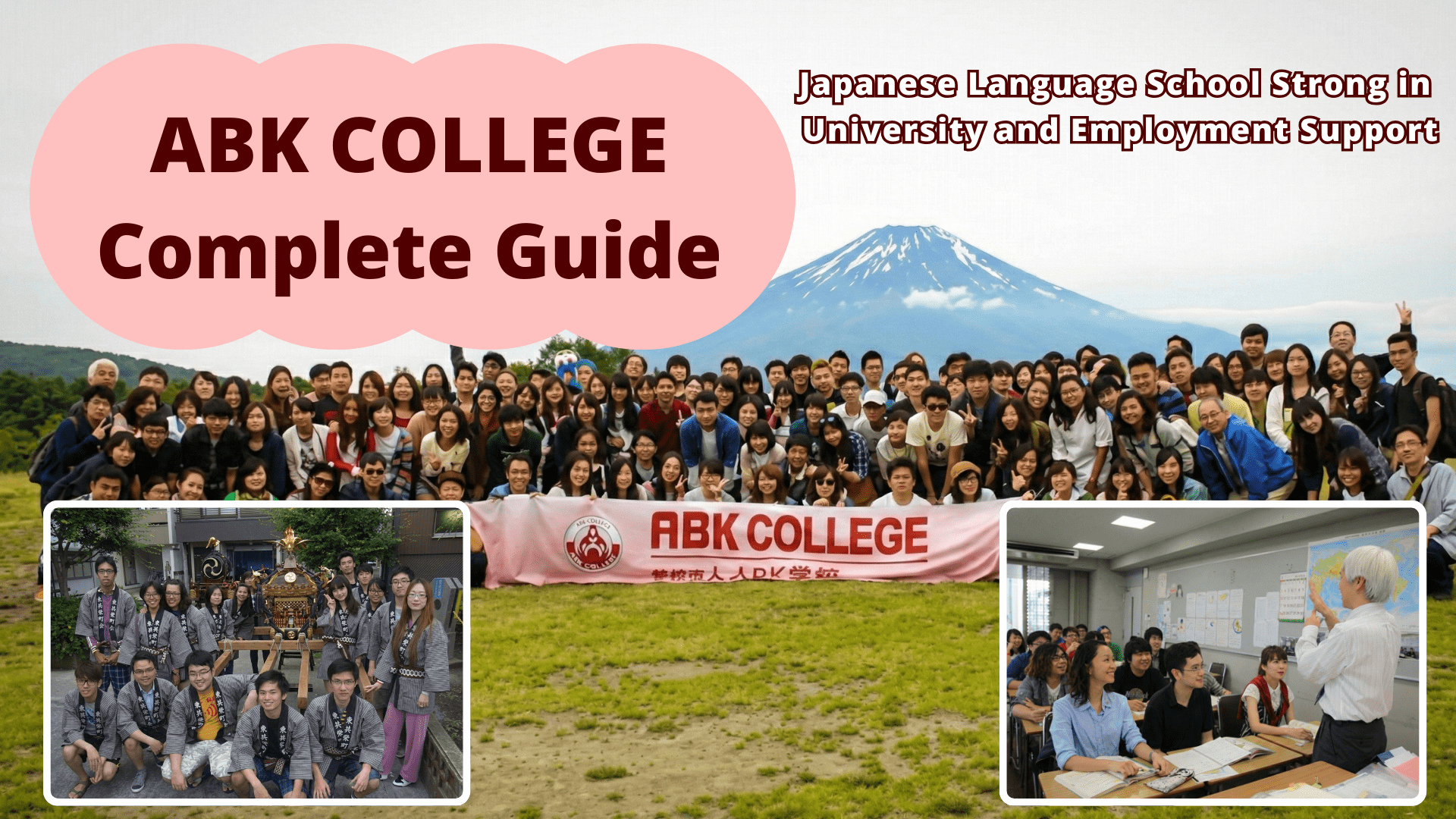
The school we’re introducing today, ABK COLLEGE, is located in Bunkyo Ward, Tokyo, and has been nurturing international students since 1957. With a storied history and a cutting-edge digital learning environment, it stands out as one of Japan’s most compelling language schools for serious students.
This article explains ABK COLLEGE’s key strengths, course structure, tuition fees, housing options, and application procedures — all explained as clearly as possible for international students considering study in Japan.
- The key strengths and features of ABK COLLEGE
- Japanese language courses and tuition fees
- Student housing and living environment
- Admission requirements and application process
- Why ABK COLLEGE? — 7 Key Strengths
- 1. Tradition and Trust Since 1957
- 2. A Modern Campus Built for Focused Learning
- 3. A Fully Digital Learning Environment
- 4. Proven University Placement Success
- 5. Comprehensive Job Placement Support
- 6. ABK’s Three-Pillar Japanese Education: The “ACE” Approach
- 7. Selected as a Host Institution for MEXT Government-Sponsored Scholarships
- Course Overview
- Tuition & Fees
- Student Housing — Living Comfortably in Tokyo
- Voices from ABK Graduates
- How to Apply — Enrollment Procedures
- Frequently Asked Questions
- In Summary
Why ABK COLLEGE? — 7 Key Strengths
So why do so many international students choose ABK COLLEGE? Here’s an in-depth look at seven compelling reasons.
1. Tradition and Trust Since 1957
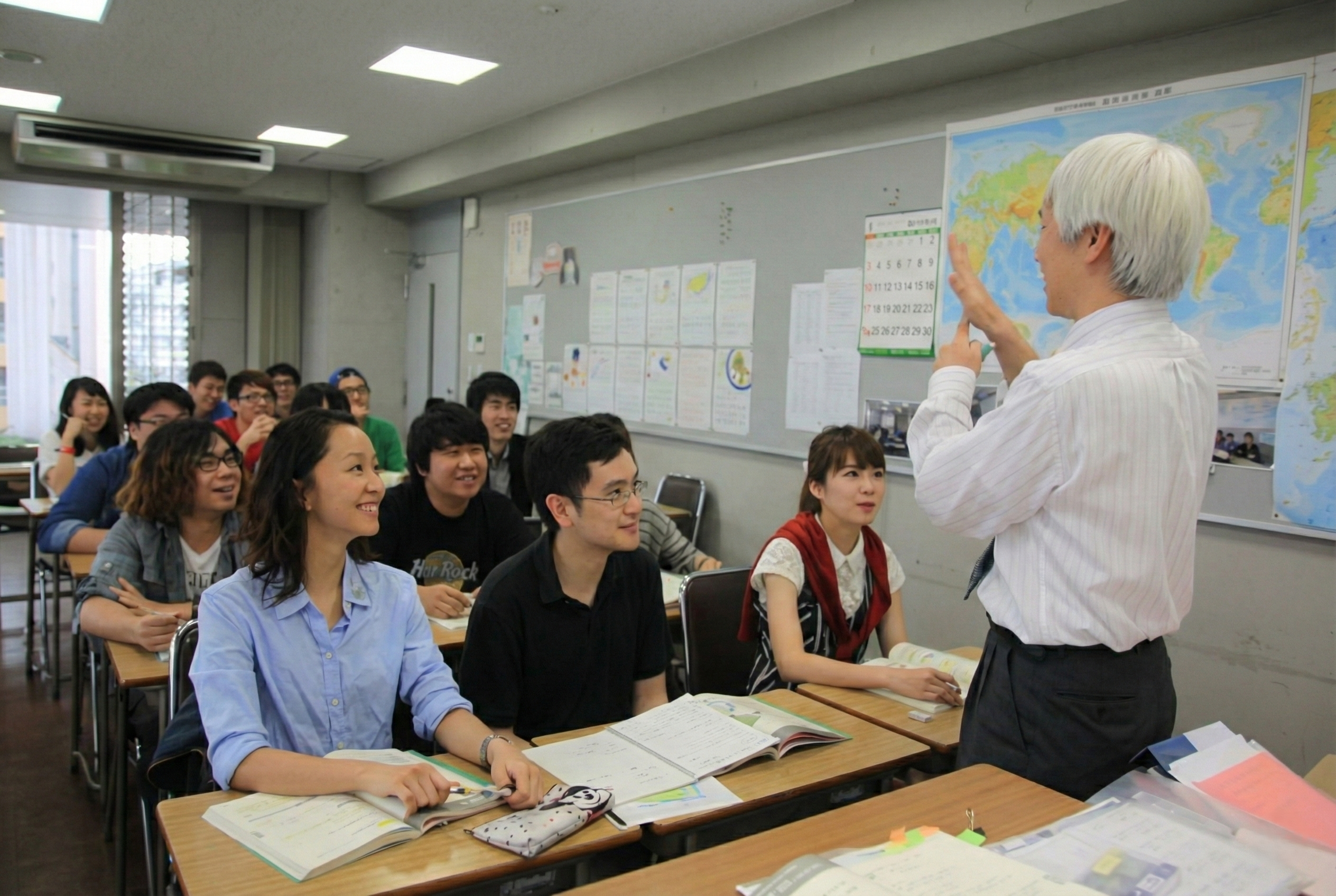
ABK COLLEGE was founded by the Asian Students Cultural Association, a Public Interest Incorporated Foundation officially recognized by Japan’s Cabinet Office.
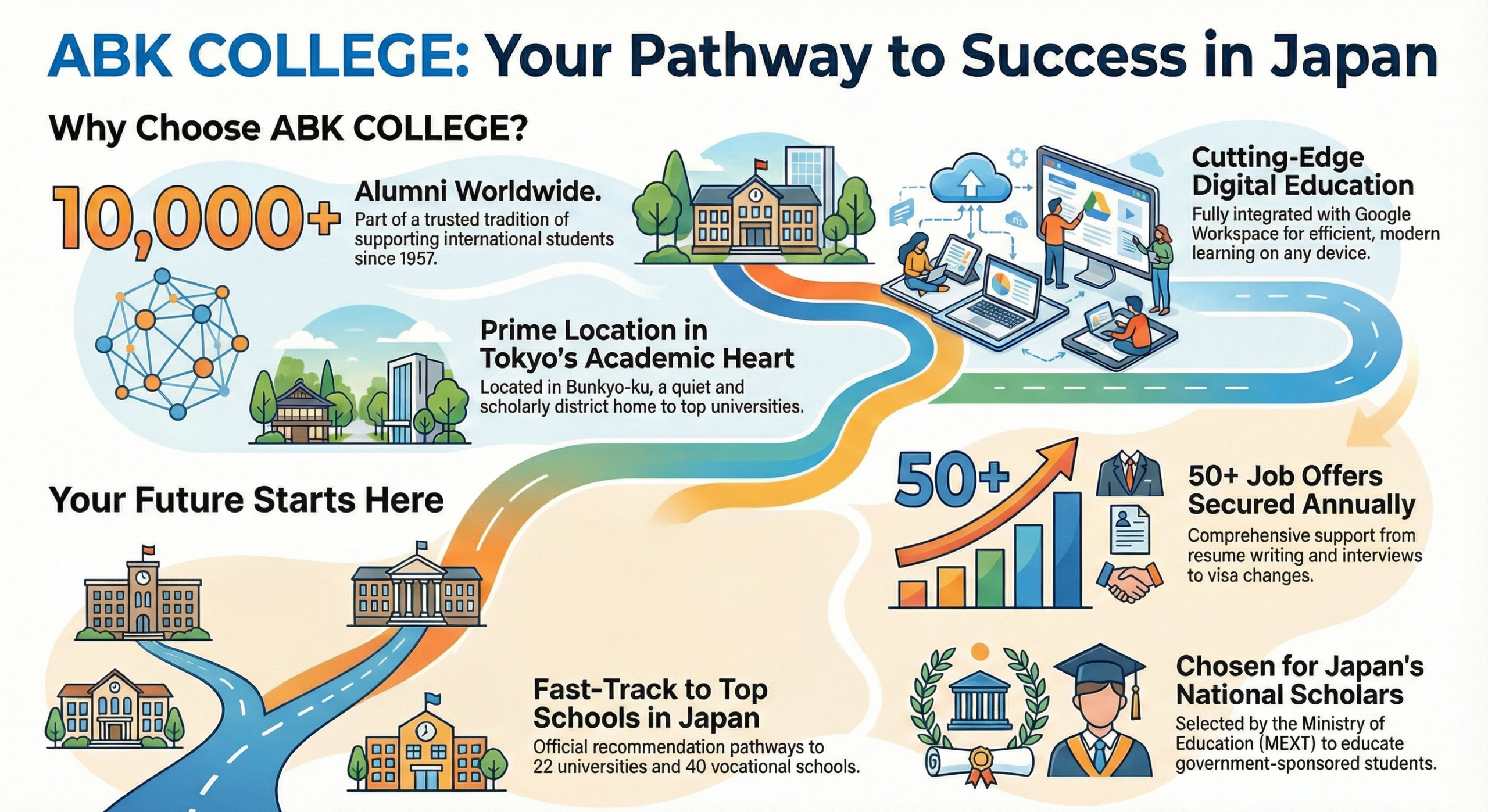
Since its establishment in 1957, the institution has supported more than 10,000 international students. Graduates are now active across the globe. Over six decades, ABK has developed:
- Deep expertise in academic and life support for foreign students
- A strong global alumni network
- A reputation trusted across generations
Some families even send their children to ABK after having studied there themselves—a testament to the school’s consistent quality.
Being established by a government-recognized foundation also provides credibility during student visa applications and when applying to universities in Japan.
2. A Modern Campus Built for Focused Learning
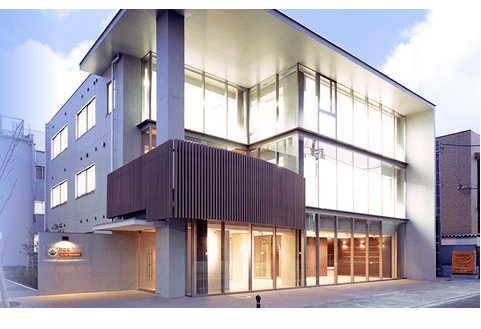
When people hear “long-established school,” they often picture an old, rundown building. ABK COLLEGE defies that expectation. The campus was completed in 2013 and opened in 2014, featuring a sleek modern design that balances aesthetics with everyday usability — a genuinely comfortable learning environment.
One area of particular focus is safety. Japan is earthquake-prone, and the structural integrity of a building matters not only to students but to their families back home. ABK COLLEGE’s building incorporates the latest earthquake-resistant construction standards, designed to protect students even in the event of a disaster.
The learning environment extends beyond the classroom. ABK COLLEGE is located in Bunkyo Ward — home to the University of Tokyo and numerous other universities and research institutions. This quiet, intellectually vibrant neighborhood is a world away from the nonstop buzz of Shibuya or Shinjuku. With green spaces like Rikugien Garden nearby, it’s an ideal setting for students who want to stay focused on their studies.
The campus is just a 3-minute walk from Sengoku Station on the Toei Mita Line, giving students easy access to major Tokyo hubs like Ikebukuro and Otemachi. Students enjoy the best of both worlds: a calm, academic atmosphere and convenient city access.
3. A Fully Digital Learning Environment
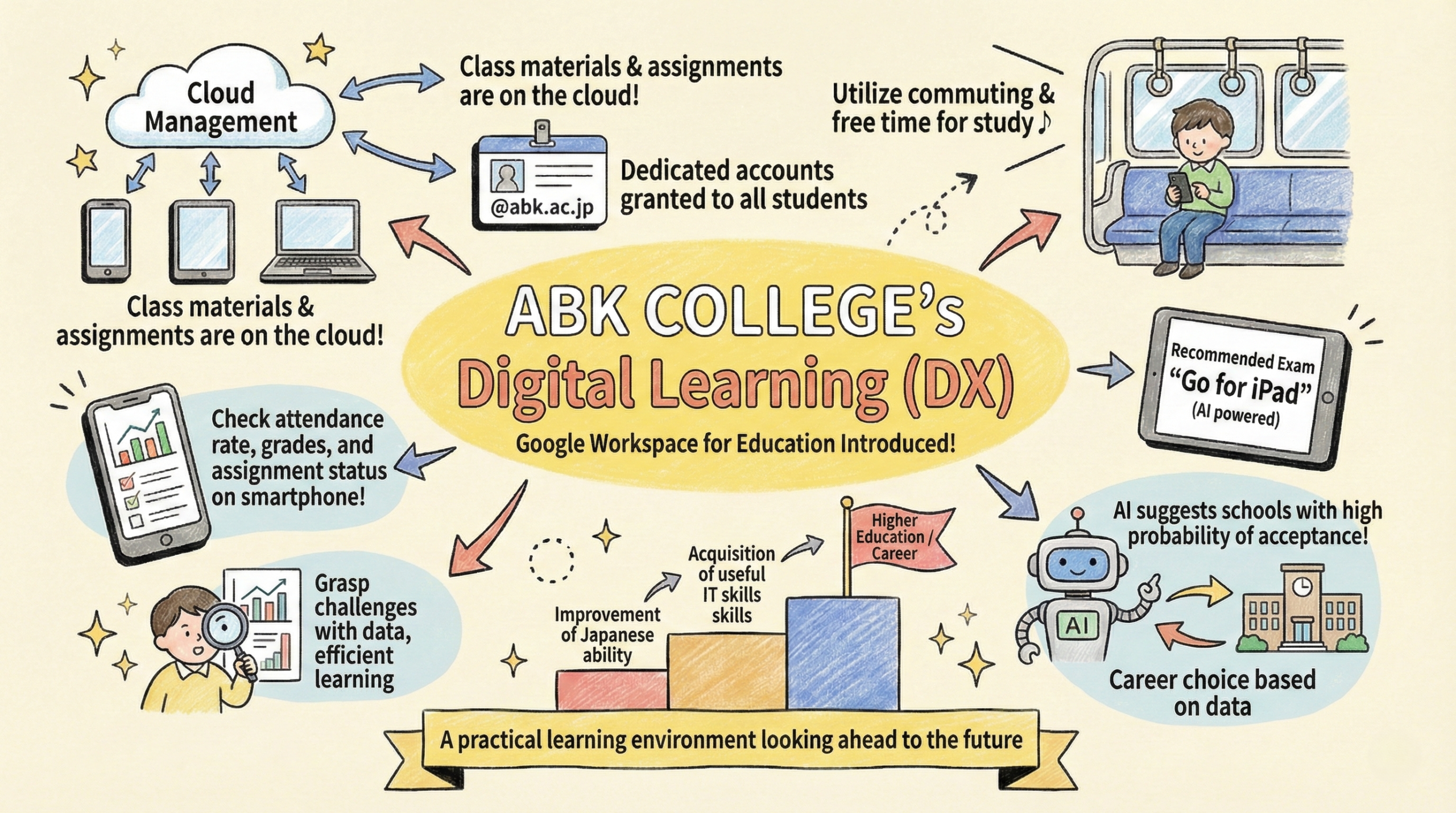
While many Japanese language schools still rely primarily on paper and pencil, ABK COLLEGE has embraced Google Workspace for Education, actively digitizing (DX-ing) its learning environment. The goal is smarter, more efficient studying — and it starts from day one.
Every enrolled student receives a dedicated 「@abk.ac.jp」 Google account. Class materials, assignments, and schedules are all managed in the cloud, accessible from any smartphone, tablet, or computer. This means you can study on your commute or squeeze in practice during any spare moment.
Students can also check their own attendance records, grades, and assignment submission status directly from their smartphones. Instead of just “studying without direction,” you can track your own data, identify weak areas, and study efficiently.
For university guidance, ABK uses an AI-powered tool called “Recommended Exam Go for iPad.” Based on your academic history and individual performance, the AI suggests schools with the highest probability of acceptance — a data-driven approach to choosing your path.
ABK’s digital learning environment doesn’t just improve your Japanese — it also gives you practical IT skills that will serve you well at Japanese universities and in Japanese workplaces. It’s a forward-thinking setup designed with your future in mind.
4. Proven University Placement Success
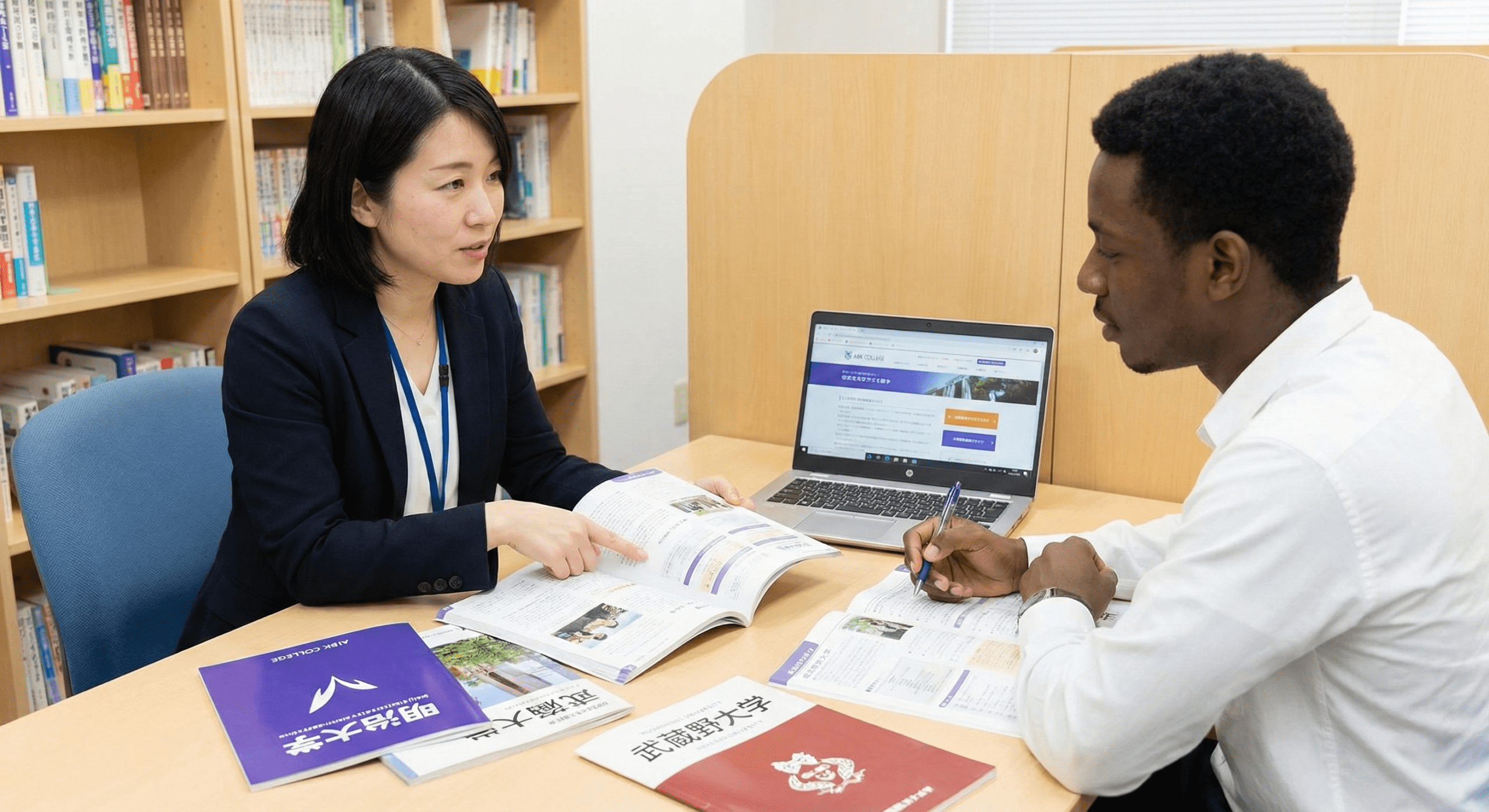
ABK COLLEGE has built a strong track record of helping students advance to top universities and graduate schools. It’s now widely recognized as one of Japan’s “best schools for university placement.” Students can aim for graduate programs, national and public universities, private universities, arts colleges, and vocational schools — with dedicated support for each path.
One of ABK’s most powerful advantages is its designated school recommendation system (指定校推薦). Under this system, universities and vocational schools identify ABK COLLEGE as a trusted institution, giving its students access to special application quotas. In the 2023 academic year alone, 22 notable universities — including Meiji University, Musashino University, and Daito Bunka University — and 40 leading vocational schools (including Nihon Electronics College) participated in this system.
In the general entrance exam process, international students must score highly on the Examination for Japanese University Admission (EJU), and competition is intense. By contrast, the designated school recommendation route focuses primarily on document screening and interviews, allowing students to approach the process with greater calm and clarity.
Depending on the school, students may also be eligible for tuition reductions or entrance fee waivers — easing the financial burden of pursuing higher education in Japan.
5. Comprehensive Job Placement Support
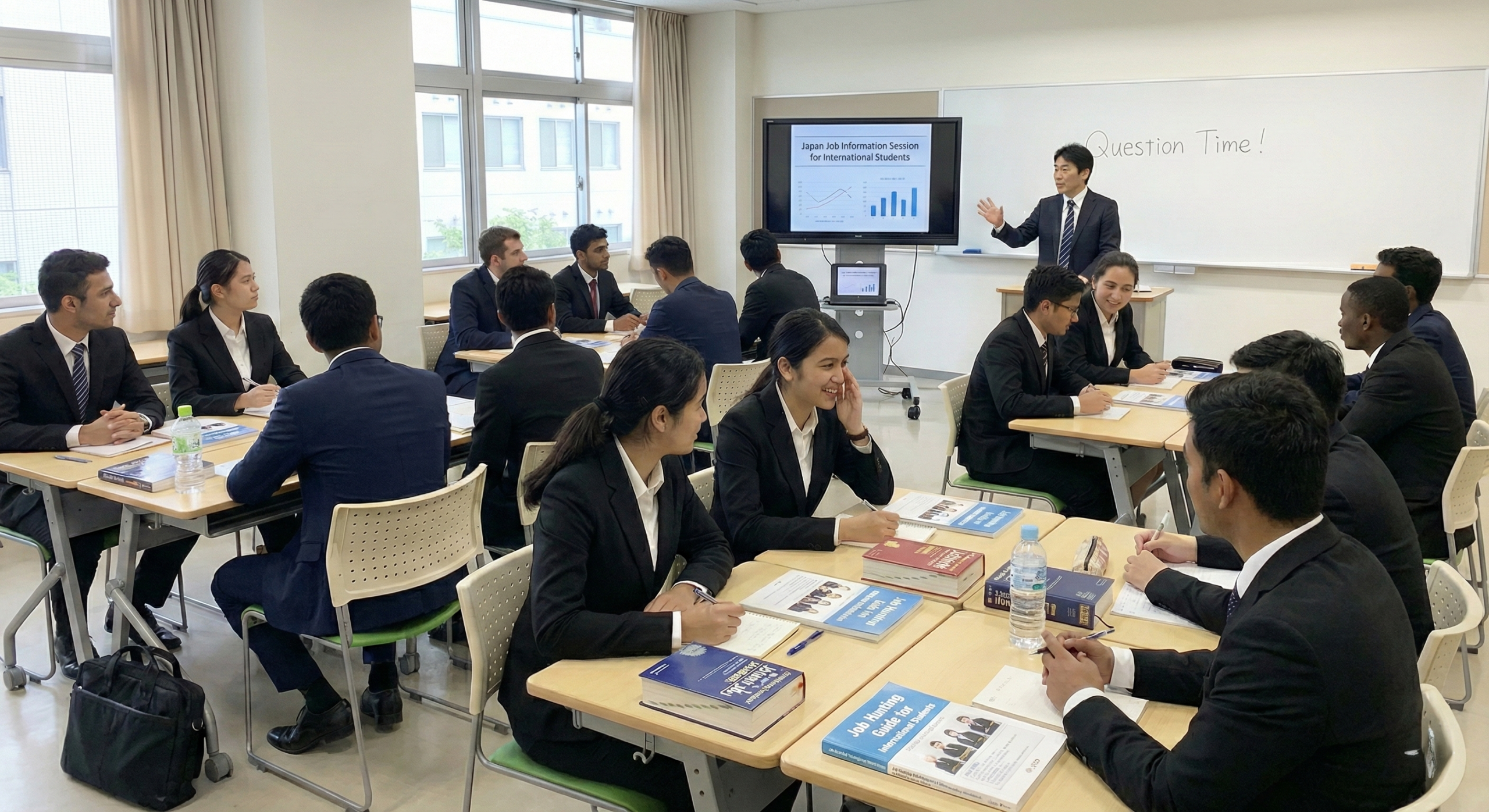
For students who dream of building a career in Japan, ABK COLLEGE is an equally strong partner. Japanese job-hunting culture is famously complex — with its own unique rules, etiquette, and seasonal rhythms — and it can be overwhelming for international students navigating it alone.
ABK offers a dedicated “Career Track” (就職コース) with professional-level career support, including:
- Visa Expertise: In addition to the standard “Engineer/Specialist in Humanities/International Services” (技術・人文知識・国際業務) visa, ABK provides end-to-end support for the increasingly sought-after “Specified Skilled Worker” (特定技能) visa — from exam preparation to company matching after certification.
- Direct Company Access: ABK invites companies that actively recruit international talent — including Daido Co., Ltd. and Tokiwa Koutai Co., Ltd. — directly to campus for information sessions and interviews. Meeting HR representatives in a familiar environment reduces anxiety and lets students perform at their best.
- Digital Job Search: Leveraging Google Classroom, ABK distributes job listings and practical job-hunting tips directly to students. Combined with resume feedback and thorough interview practice, this system has helped students secure 50+ job offers per year.
6. ABK’s Three-Pillar Japanese Education: The “ACE” Approach
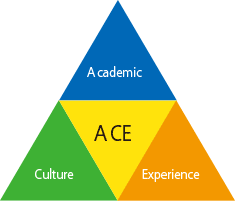
ABK COLLEGE’s Japanese language education is built on decades of experience and organized around three core pillars:
Academic — Focused on university and graduate school preparation: entrance exam coaching, interview practice, JLPT and EJU test prep. Emphasis on practical academic skills including discussion, presentation, and academic writing.
Culture — Deep cultural immersion through drama- and film-based lessons, and general education classes on Japanese history, economics, and politics. Students gain a nuanced understanding of Japanese society that goes beyond textbook language.
Experience — Hands-on learning through project work, conversation practice with Japanese volunteer partners, and community exchange events. A rich elective curriculum rounds out practical communication skills.
Through in-house developed materials and diverse activities, ABK supports students from certification exam preparation all the way to a genuine appreciation of Japanese culture.
7. Selected as a Host Institution for MEXT Government-Sponsored Scholarships
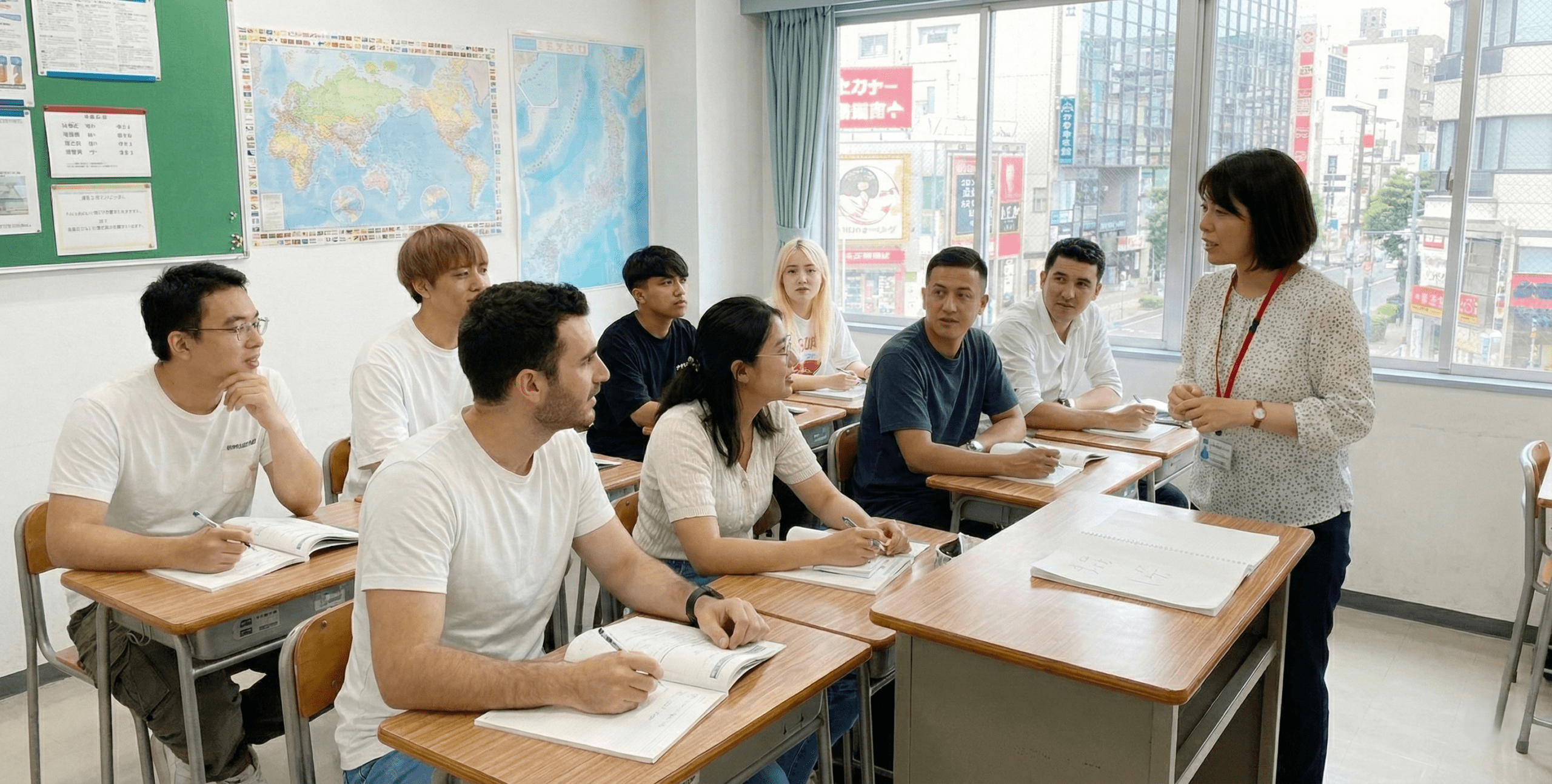
Starting in April 2026, ABK COLLEGE has been designated as a Japanese language education institution under the Ministry of Education, Culture, Sports, Science and Technology (MEXT) Government Scholarship (国費外国人留学生) program. Top international students recommended by their home country’s Japanese embassy will study Japanese at ABK COLLEGE before entering Japanese universities. This designation reflects MEXT’s formal recognition of ABK’s exceptional standards in Japanese language instruction and student guidance.
Course Overview
Every student comes to Japan with different goals, backgrounds, and timelines. ABK COLLEGE offers a thoughtfully structured range of courses to match your unique situation — whether you want to immerse yourself in Japanese for two full years or squeeze intensive practice into a single month.
Courses fall into two broad categories: the Regular Course for students seeking a thorough, long-term language education; and the Short-Term Course for those with limited time who want an intensive experience.
Regular Courses — The Main Path to Your Goals
These are the flagship programs for students who need a student visa and plan to study Japanese intensively over 6 months to 2 years in pursuit of university admission or employment in Japan.
① General Course (Prep. Course 1) — University, Employment, Life Skills, Certifications
This is the most standard course. Students build their Japanese proficiency step by step — from the basics through to advanced skills — in preparation for university, graduate school, or employment in Japan.
| Enrollment | Course | Duration | Total Hours | Best For |
| April | 1-Year course | 1 year | 860 hrs | Students with some Japanese foundation who want to move fast |
| April | 2-Years course | 2 year | 1,720 hrs | Students starting from scratch who want the highest level of fluency |
| July | 1-Year and 9 Mo course | 1 yr 9 mo | 1,470 hrs | A well-balanced option with ample study time and a favorable arrival season |
| October | 1-Year and 6 mo course | 1 yr 6 mo | 1,290 hrs | Standard course aligned with Japanese university autumn entry or spring admissions |
| January | 1-Year and 3 Mo course | 1 yr 3 mo | 1,040 hrs | Intensive course for students with existing foundation (N3 level or above recommended) |
② Academic Foundation Course (Prep. Course 2) — University Entrance Qualification Supplement
This is one of ABK COLLEGE’s most distinctive and valuable offerings. In some countries, secondary education totals only 10 or 11 years. This can disqualify students from applying to Japanese universities, which require 12 years of formal schooling. ABK’s Ministry of Education-approved Academic Foundation Course (準備教育課程) allows eligible students to fulfill the missing education requirements and gain qualification to apply to Japanese universities.
- Curriculum: Japanese language instruction plus foundation subjects required for university study (English, math, social studies, science, etc.), with separate tracks for humanities and science students.
- Start Dates: April (1-year course) or October (1.5-year course), adaptable to individual academic backgrounds and application timelines.
| Enrollment | Course | Duration | Total Hours | 特徴 |
| April | 1-Year course | 1 year | 860 hrs (Japanese) + 120 hrs (Foundation Subjects) / year | Intermediate to upper-intermediate Japanese learners |
| October | 1-Year and 6 mo course | 1 yr 6 mo | 1,290 hrs (Japanese) + 120 hrs (Foundation Subjects) / 1.5 yrs | Beginner to upper-intermediate Japanese learners |
Short-Term Course — Immerse Yourself in Japan
Designed for students on a tourist visa or working holiday visa, staying 1 to 3 months. This course is perfect for those who want to experience the school atmosphere before committing to a long-term program, or who want to make the most of a break by studying Japanese intensively.
Short-term students join regular classes alongside long-term students — meaning you get a real, authentic Japanese lesson experience.
| Term | Period | Tuition | Entry Requirement |
| Term 1 | Early April – End of June | ¥220,000 | Hiragana & Katakana completed |
| Term 2 | Early July – Mid-September | ¥220,000 | Hiragana & Katakana completed |
| Term 3 | Early October – End of December | ¥230,000 | Hiragana & Katakana completed |
| Term 4 | Early January – Mid-March | ¥190,000 | JLPT N5 or above |
※Classes run in two shifts: morning (9:00–12:30) or afternoon (13:30–17:00).
Tuition & Fees

Financial planning is essential for a successful study abroad experience. One important advantage of ABK COLLEGE is that, as a school corporation (学校法人), tuition is exempt from consumption tax. Compared to language schools operated by private companies, this difference can translate to savings of tens of thousands of yen.
Regular Course Tuition — General Course
| Item | 1-Year course | 1-Year and 3 Mo course | 1-Year and 6 Mo course | 1-Year and 9 Mo course | 2-Years course |
| Application Fee | ¥20,000 | ¥20,000 | ¥20,000 | ¥20,000 | ¥20,000 |
| Enrollment Fee | ¥100,000 | ¥100,000 | ¥100,000 | ¥100,000 | ¥100,000 |
| Enrollment Fee | ¥640,000 | ¥800,000 | ¥960,000 | ¥1,120,000 | ¥1,280,000 |
| Total | ¥760,000 | ¥920,000 | ¥1,080,000 | ¥1,240,000 | ¥1,400,000 |
- Tuition includes: facility fees, textbook and materials fees, and extracurricular activity fees.
- Installment Payment: Tuition can be paid in semi-annual installments of ¥320,000 per half-year. For the 1-year-3-month and 1-year-9-month courses, the first payment covers 9 months.
Academic Foundation Course Tuition
| Item | 1-Year course | 1-Year and 3 Mo course | 1-Year and 6 Mo course | 1-Year and 9 Mo course | 2-Years course |
| Application Fee | ¥20,000 | ¥20,000 | |||
| Enrollment Fee | ¥100,000 | No recruitment | ¥100,000 | No recruitment | No recruitment |
| Tuition | ¥720,000 | ¥1,080,000 | |||
| Total | ¥840,000 | ¥1,200,000 |
- Note: Foundation subject course fees are included, making this slightly higher than the General Course.
Student Housing — Living Comfortably in Tokyo

When living abroad for the first time, having a safe, comfortable place to come home to each day makes all the difference. ABK COLLEGE offers several housing options to match your personality, lifestyle, and budget.
School Dormitories — Convenience and Security
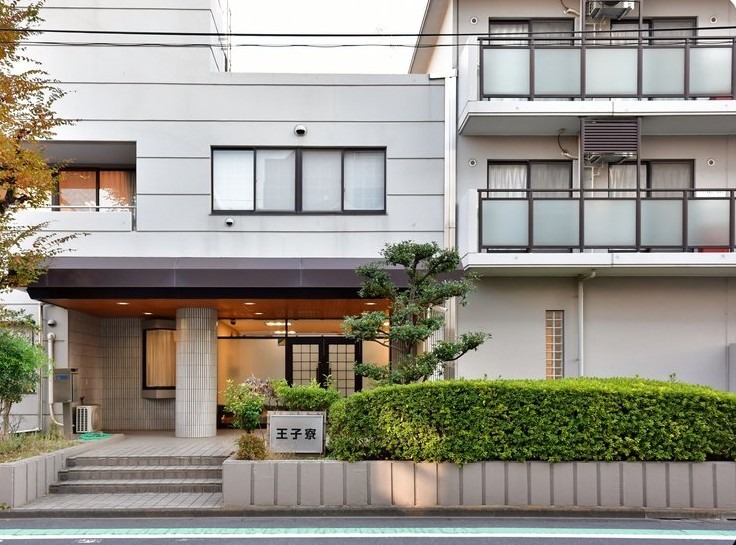
For those who feel anxious about living alone for the first time, or worried about managing their own meals every day, student dormitories are a great option to consider.
- ABK International Student Dormitory: Located right next to the campus — a literal 0-minute commute. Make the most of your mornings with direct access to classrooms and the school library. Private single rooms protect your personal space, while shared common areas let you connect with fellow students.
- Dormy Series (Kyoritsu Maintenance): Meal-included student dormitories managed by a professional operator, providing breakfast and dinner daily. Live-in dorm parents are on hand for any lifestyle concerns — ideal for students who prioritize a safe, supported environment.
- HAKUSAN HOUSE: A stylishly designed residence with a spacious shared lounge, kitchen, and theater room — a hub for daily international exchange. No key money, no security deposit, no guarantor required, and all furniture and appliances are provided. Move in with just a suitcase.
Share Houses — For Students Who Love Connecting with the World
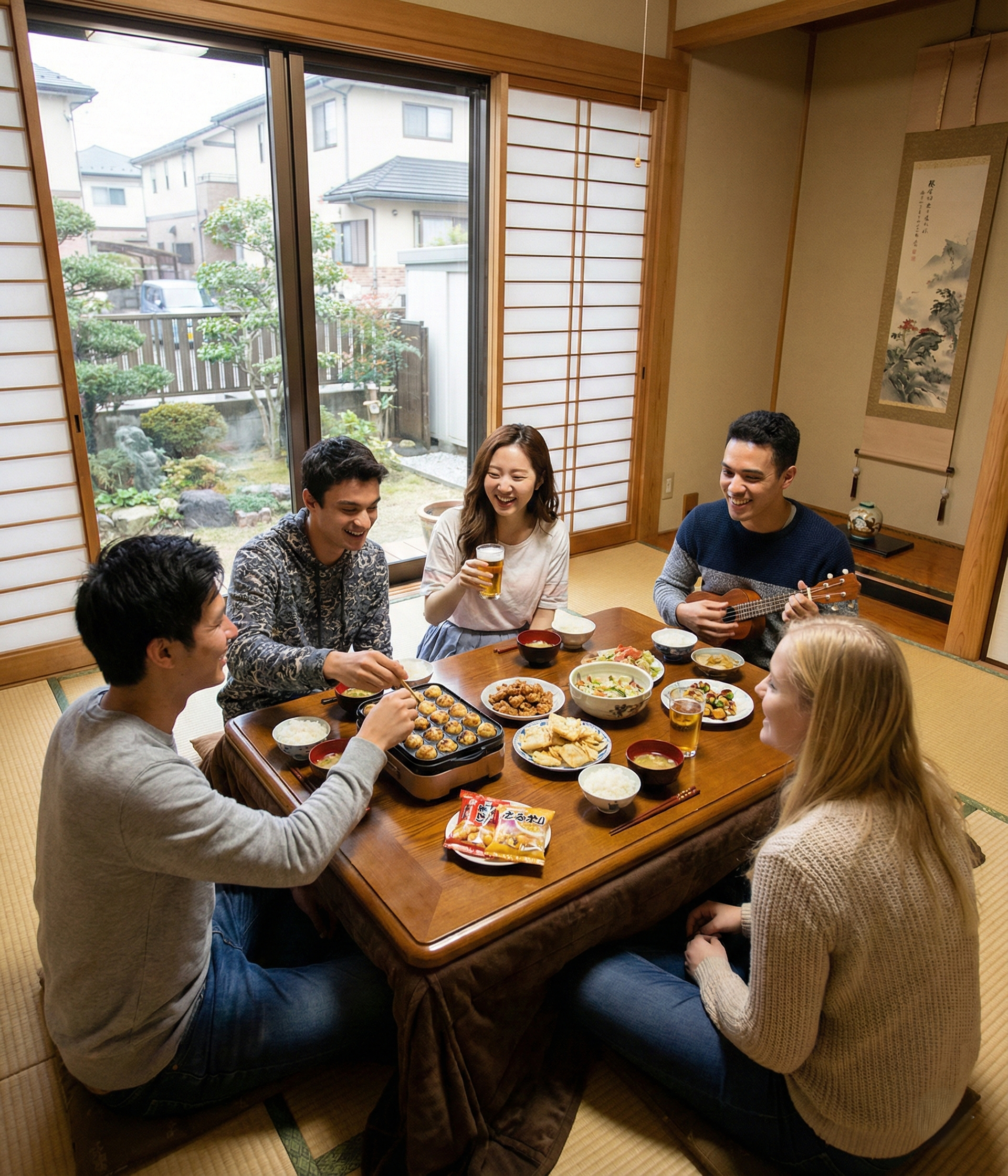
If you want to experience communal living with people from different countries, a share house is a fantastic choice. Daily life naturally creates opportunities for cross-cultural conversation and friendship.
For international students looking for affordable rental housing in Tokyo or Osaka, check out the housing options provided by “Xross House.” You can choose rental housing that suits you from various options including share houses and single-person apartments equipped with furniture, appliances, and Wi-Fi.

For more information about Xross House, please refer to the article below. If you need any assistance with renting from Xross House, please don’t hesitate to contact us.

Student Apartments — For Students Who Value Privacy
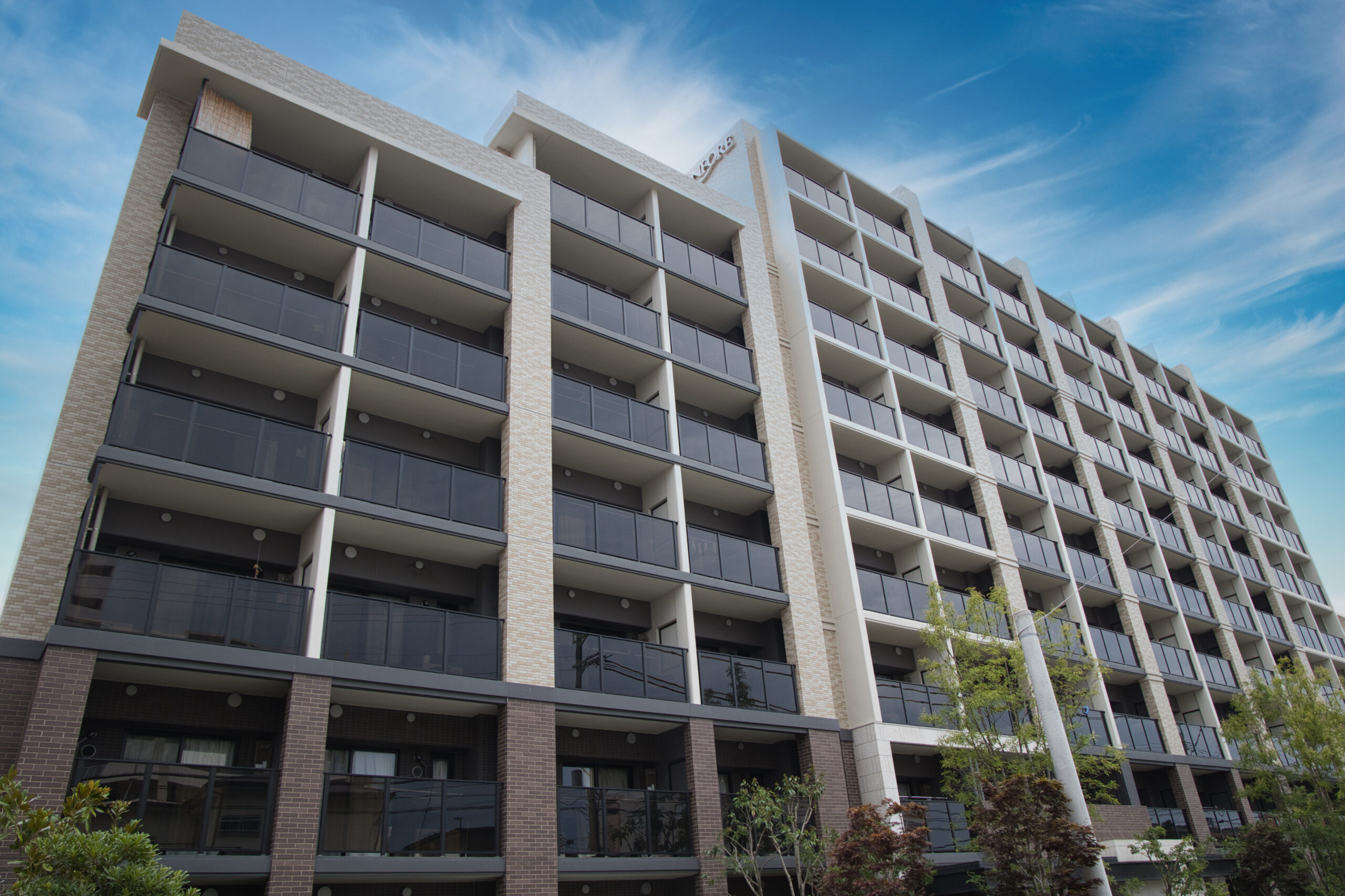
If you prefer your own space, the school can connect you with affiliated real estate agents who specialize in helping international students find apartments. Available properties often feature foreign-friendly conditions such as no guarantor required, furnished units, and English-speaking support — making the process significantly smoother.
Voices from ABK Graduates

The real proof of ABK COLLEGE’s value lies in what its graduates have gone on to achieve. Here’s what some of them have to say.
Students Who Achieved Their University Dreams
Ms. Xin Tian — Enrolled at Daito Bunka University, Faculty of Literature
She overcame the anxiety of the general entrance exam process through ABK’s designated school recommendation system.
As a prospective student, my biggest fear was failing to gain admission to a Japanese university and having to return home empty-handed. The general exam demands high EJU scores and intense competition. With the designated school recommendation, the probability of acceptance is much higher, and I was able to go through the process with far less stress.
Mr. Tan — Enrolled at Hiroshima University of Economics, Faculty of Media Business
He made the most of the financial benefits that come with the designated school recommendation.
Using the designated school recommendation didn’t just improve my chances of acceptance — it also reduced my first-year tuition by 80%. It eased both the mental pressure of exam season and the financial burden. I’m really glad I chose this path.
Students Who Built Careers in Japan
Ms. Hazuki — Employed at a Ryokan in Hakone
She describes the moment classroom Japanese transformed into real-world impact for her guests.
I now work at a traditional Japanese inn in Hakone, one of Japan’s most celebrated hot spring destinations. My main role is front desk service. Providing polite, professional service in Japanese isn’t easy, but the formal speech (keigo) I studied so carefully has truly paid off. When guests say, “Thank you for a wonderful stay,” I feel genuinely proud and know I made the right choice.
Mr. Pai — Employed in the Manufacturing Sector
For him, it was personal connections that led to his job offer.
What motivated me to pursue employment in Japan was attending an ABK career event, where I heard directly from the company president and a senior employee. That senior employee happened to be someone I knew from my university days in Thailand, which made me feel immediately at ease. It all started with that connection.
How to Apply — Enrollment Procedures

Your journey to Japan starts with a smooth, well-prepared application. ABK COLLEGE provides up-to-date guidance on all procedures, including immigration paperwork. Even first-time applicants can move through the process with confidence by following the step-by-step guidance provided.
Eligibility Requirements
Before applying, let’s go over the eligibility requirements. ABK COLLEGE has established several criteria regarding academic background, age, and Japanese language proficiency.
- Academic Requirement: You must have completed (or be on track to complete) 12 or more years of formal schooling in your home country, or have completed secondary education (e.g., Form 5 or equivalent).
- Age Requirement: Applicants targeting universities or vocational schools must be at least 18 years old at the time of enrollment; those targeting graduate programs must be at least 22 years old.
- Japanese Language Requirement: At the time of application, you must hold a passing score on JLPT N5 or an equivalent Japanese language qualification (J-TEST, NAT-TEST, etc.), OR provide documentation of 150 or more hours of Japanese language study.
Enrollment Capacity
Each course has a limited number of spots available. Popular intake periods such as April and October tend to fill up early. Additionally, some courses — such as the January intake — may not be offered at all if capacity has already been reached. We recommend checking the latest availability directly with Japan Education Career (JEC).
Application Deadlines
Application periods are strictly enforced. Even a single day’s delay may result in your application not being accepted. Plan well ahead.
- April Entry (1-Year / 2-Year Course): September 1 – October 31 of the prior year
- July Entry (1-Year-9-Month Course): December 10 of the prior year – February 10 of the application year
- October Entry (1-Year-6-Month Course): March 1 – April 28 of the application year
- January Entry (1-Year-3-Month Course): June 10 – August 10 of the prior year
Required Application Documents

All documents must generally be issued within 3 months of submission. Documents in languages other than Japanese or English must be accompanied by a translation.
Applicant Personal Document
- Application Form (school-designated form, provided by JEC)
- Statement of Enrollment Purpose (school-designated form, provided by JEC)
- Study Abroad Consent Form and Questionnaire (school-designated form, provided by JEC)
- Final academic diploma or graduation certificate (originals or notarized copies only)
- Certificate of Expected Graduation (for currently enrolled students only)
- Academic transcripts (all years of high school or university)
- Passport copy (photo page, plus stamp pages showing any prior Japan visits)
- 4 passport-sized photos (3cm × 4cm, taken within the last 3 months)
- Medical Certificate (school-designated form, provided by JEC)
- JLPT score report or equivalent, or Certificate of Japanese Study (150+ hours)
Financial Support Documentation
You must provide documents proving who will pay for your living expenses and tuition in Japan, and how. Choose the category that applies to you:
Option A: Family or relatives abroad (most common)
This is the most common pattern (for example, where a parent in your home country acts as your financial sponsor).
- Financial Support Declaration (school-designated form, provided by JEC; must be hand-signed by the sponsor)
- Bank balance certificate (bank-issued, bearing the signature and seal of a bank officer; note: bank statements covering the past 1–3 years may also be required to demonstrate how the funds were accumulated)
- Employment certificate (issued by the employer for company employees; for business owners, a certificate of company registration or business license)
- Annual income certificate (a tax certificate stating the sponsor’s annual income, or an equivalent certificate issued by their employer)
- Family relationship certificate (e.g., family registry or birth certificate — any document that proves the relationship between the sponsor and the applicant)
Option B: Family or relatives in Japan
This applies when a relative residing in Japan becomes the financial sponsor.
- Financial Support Declaration (school-designated form, provided by JEC; must be hand-signed by the sponsor)
- Bank balance certificate (bank-issued, bearing the signature and seal of a bank officer; note: bank statements covering the past 1–3 years may also be required to demonstrate how the funds were accumulated)
- Employment certificate (issued by the employer for company employees; for business owners, a certificate of company registration or business license)
- Annual income certificate (Tax declaration ceritificate(課税証明書) issued by ward or city office (showing sponsor’s annual income.)
- Family relationship certificate (e.g., family registry or birth certificate — any document that proves the relationship between the sponsor and the applicant)
- Residence certificate (住民票, listing all members of the household)
Option C: Self-funded (own savings)
This applies to those who have prior work experience and plan to fund their own studies abroad using their personal savings.
- Financial Support Declaration (school-designated form, provided by JEC; must be hand-signed by the sponsor)
- Bank balance certificate (in the applicant’s own name; bank statements may be required to demonstrate how the funds were accumulated)
- Employment certificate (or resignation certificate)
- Annual income certificate (a tax certificate stating the applicant’s own annual income, or an equivalent certificate issued by their employer)
Step-by-Step Application Process

From application to enrollment takes approximately half a year. Here is the full process:
- STEP 1Submit documents to Japan Education Career (JEC)
Fill in all required information on the JEC-provided forms and compile your full document package, then submit to JEC.
- STEP 2JEC reviews and forwards to ABK COLLEGE
JEC reviews your documents and submits them to ABK COLLEGE. The ¥20,000 application fee is due at this stage.
- STEP 3ABK COLLEGE reviews your application
The school reviews your documents. Additional documents may be requested during this stage.
- STEP 4COE application submitted to Immigration Services Agency
After you pay the ¥100,000 enrollment fee, ABK COLLEGE submits your Certificate of Eligibility (COE) application on your behalf.
- STEP 5COE issued and forwarded to you
If approved, the Immigration Services Agency issues your COE. ABK COLLEGE receives it and sends it to you.
- STEP 6Pay your first tuition installment
- STEP 7Receive COE original and Admission Letter from ABK COLLEGE
- STEP 8Apply for your student visa
Visit the Japanese Embassy or Consulate in your home country to apply for your student visa.
- STEP 9Obtain your visa, book your flight, and travel to Japan
- STEP 10Enroll at ABK COLLEGE — your new life in Tokyo begins!
Frequently Asked Questions
- QCan I enroll if I don’t speak any Japanese yet?
- A
No. As a general rule, applicants are required to have Japanese language proficiency equivalent to JLPT N5 or above, or a study history of at least 150 hours. This is also a requirement for the student visa screening process, and is essential for preventing difficulties in daily life after arriving in Japan. We recommend starting your foundational Japanese studies in your home country first.
- QCan I pay tuition in installments?
- A
Yes. Tuition can be paid in semi-annual installments of ¥320,000 per period. For the 1-year-3-month and 1-year-9-month courses, the first payment covers 9 months of tuition.
- QAm I allowed to work part-time while studying?
- A
Yes. By applying for a “Permission to Engage in Activity Other Than That Permitted under the Status of Residence” (資格外活動許可) at the airport or another designated location upon arrival in Japan, students are permitted to work part-time for up to 28 hours per week (and up to 8 hours per day during long school breaks). Many ABK students work at convenience stores or restaurants, covering part of their living expenses while picking up practical, real-world Japanese at the same time.
- QDoes the dormitory accommodate food allergies?
- A
Allergy accommodation policies vary by dormitory. Please be sure to discuss the details at the time of application.
In Summary
ABK COLLEGE is a school where the values carefully cultivated since 1957 — treating every international student like family — coexist with a Google Workspace for Education-powered digital learning environment and AI-driven academic guidance. The combination of trusted institutional heritage and modern learning innovation is what makes it truly distinctive.
From Bunkyo Ward’s quiet, university-town atmosphere to ABK’s team of experienced teachers and the ambitious, globally-minded students who come here from around the world — this environment offers far more than Japanese language study. It’s a place to expand your worldview and open up new possibilities for your future.
Whether your goal is university admission, a career in Japan, or something even bigger — ABK COLLEGE offers a structured, caring environment to make it happen. All it takes is the desire to learn.
We hope you find the future you’re looking for on the campus of Bunkyo Ward, Tokyo.
If you would like to enroll at ABK COLLEGE, please get in touch with Japan Education Career through any of the following:
- Email: info@jpeducareer.com
- WhatsApp: +81 70 9631 4036
- Contact form: Please scroll down to find the contact form
We provide free support throughout the entire enrollment process!