This post is also available in:
 日本語
日本語  Türkçe
Moving to Japan with a student visa or work visa is an exciting milestone, but successfully starting your new life requires completing several important administrative procedures. This comprehensive guide covers all the essential steps you need to take to ensure a smooth transition into Japanese society. By following these procedures, you’ll be well-prepared to begin your adventure in Japan with confidence.
1. Receive Your Residence Card at the Airport
When entering Japan on a long-term visa, you’ll receive your residence card (zairyu card) at the airport. This card is essential for all foreign residents and serves as your primary identification document in Japan.
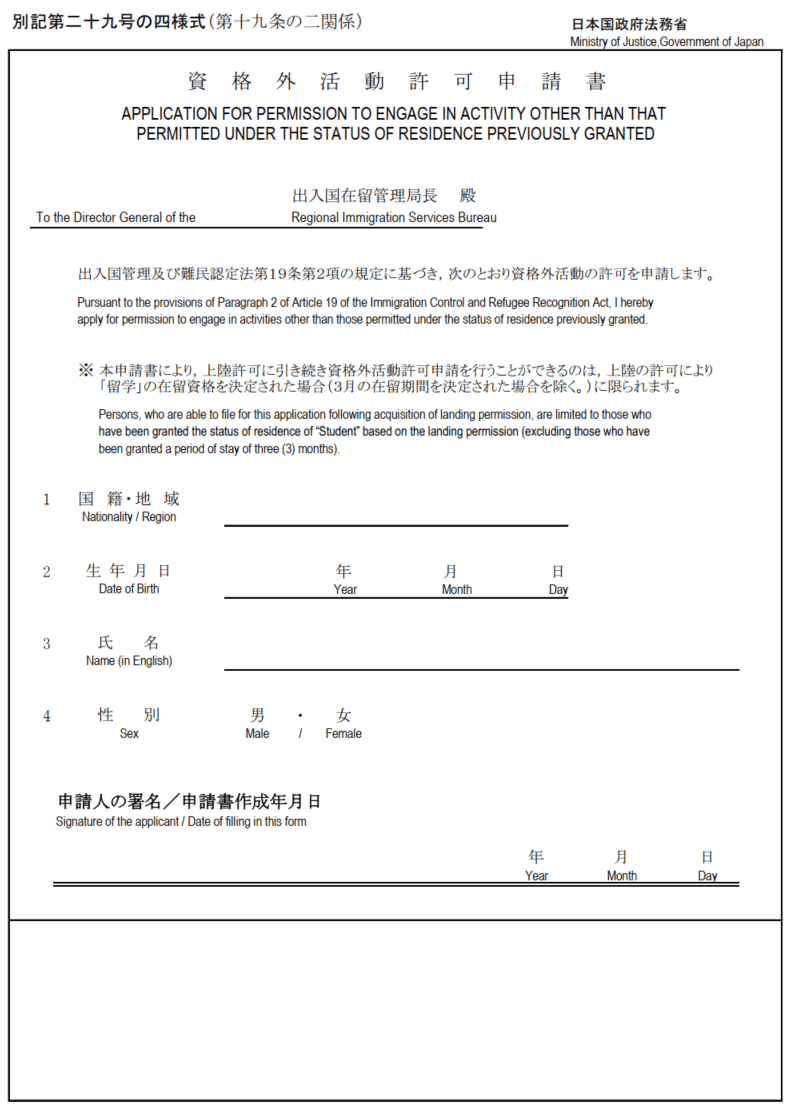
If you’re planning to work part-time on a student visa, you must also complete the “Application for Permission to Engage in Activities Other Than Those Permitted Under the Status of Residence Previously Granted (for new international students entering Japan)” form at the airport. This allows you to obtain work permission for part-time jobs. We recommend downloading and filling out this form in advance to expedite the airport procedures.
2. Get a Transportation IC Card (Suica)
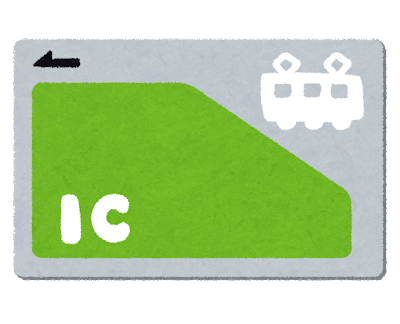
Japan’s public transportation system is extensive and efficient, making IC cards like Suica essential for daily life. Instead of buying individual tickets for trains and buses (which is time-consuming), purchase a Suica card immediately after arrival at the airport or nearest JR station ticket machine.
Modern alternatives: You can also download smartphone apps that turn your phone into a digital Suica card, making transportation even more convenient.
3. Municipal Office Procedures (City Hall/Ward Office)
Plan to spend 3-4 hours at your local municipal office to complete all necessary procedures in one visit. This is one of the most important steps for establishing legal residency in Japan.
3.1- Resident Registration (Moving-in Notification)
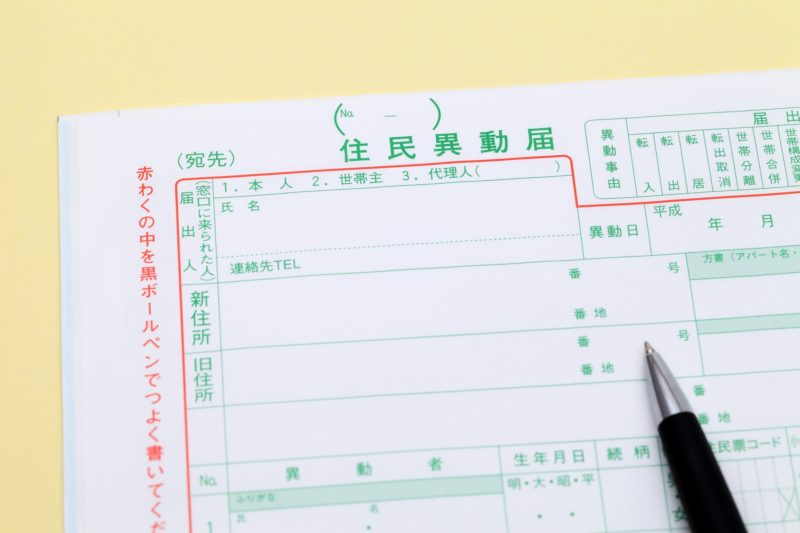
Within 14 days of entering Japan, you must submit a “Resident Movement Notification (Jumin Ido Todoke)” at the municipal office governing your residential area. This officially registers your address in Japan, and your new address will be printed on the back of your residence card.
3.2- National Health Insurance Enrollment
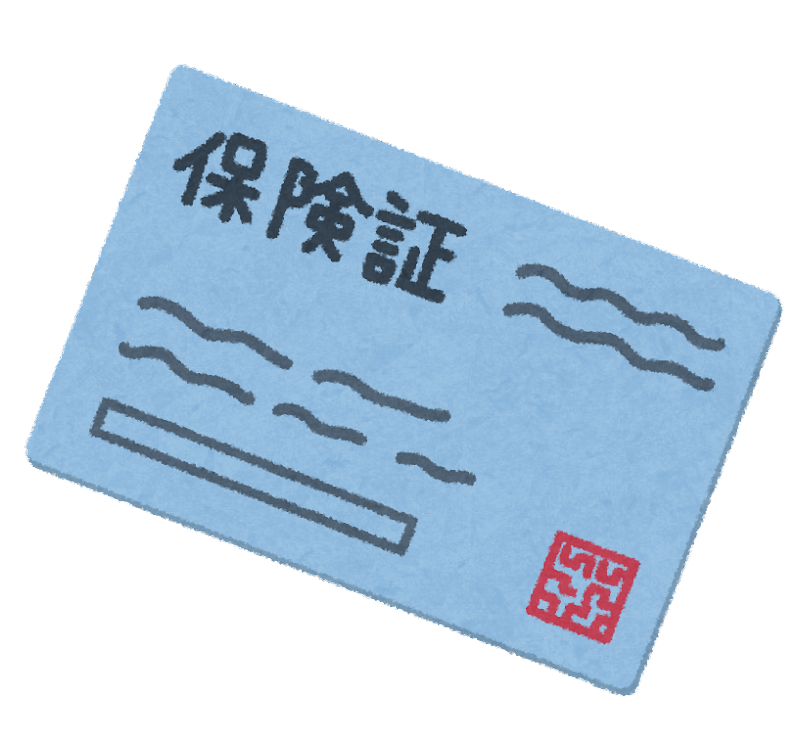
After completing resident registration, enroll in National Health Insurance (Kokumin Kenko Hoken). Japan mandates health insurance for all residents, ensuring equal access to healthcare services regardless of nationality. With National Health Insurance, you’ll only pay 30% of medical costs, making healthcare affordable and accessible.
You’ll receive your health insurance card immediately upon enrollment. Monthly or annual payment invoices will be mailed to your registered address.
Insurance premiums are determined by the previous year’s annual income. In the first year, since there is no income from the previous year, the minimum premium applies. From the second year onward, students with no income—such as those receiving scholarships or relying on financial support from family—can continue their health insurance coverage with a small premium of approximately 1,000-2,000 yen. For students who work part-time jobs, the premium may increase slightly.
3.3- National Pension System Registration
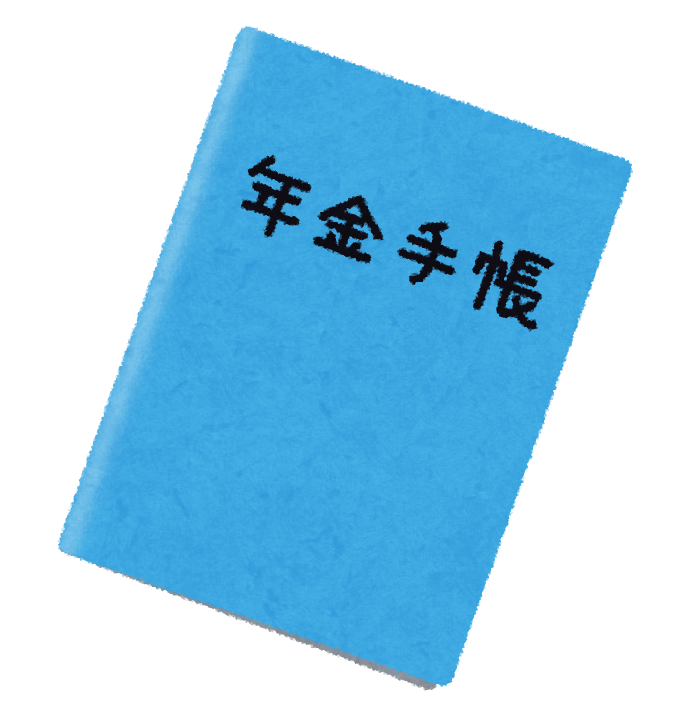
- All people aged 20 to 60 living in Japan
All residents aged 20-59 must enroll in Japan’s National Pension system, with monthly premiums of 17,510 yen. Students with financial difficulties can apply for payment deferral or exemption.
4. Creating Seals (Inkan)
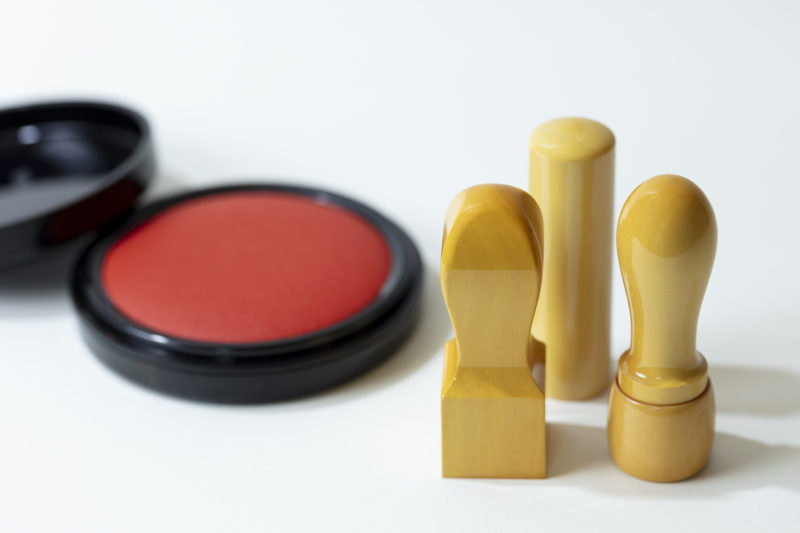
In Japan, seals are used more often than signatures. You will need one to approve official documents, so getting a seal should be one of your first steps after arriving.
There are three main types of seals: jitsuin (registered seal), ginkōin (bank seal), and mitomein (personal seal). A jitsuin is required for important contracts, such as buying a house or car, but you won’t need it right away after arriving to Japan. A ginkōin is used to open a bank account and manage financial transactions. A mitomein is used for everyday purposes, such as minor applications and routine procedures.
- Bank Seal (Ginkō-in) → Used for opening a bank account and other banking procedures
- Personal Seal (Mitome-in) → Used for everyday approvals and routine paperwork
- Local seal shops
- Online stores such as Amazon or Rakuten
If you wish, you can purchase a set of bank seal and personal seal online. Please make sure to enter your name correctly when ordering.
5. Opening a Japanese Bank Account
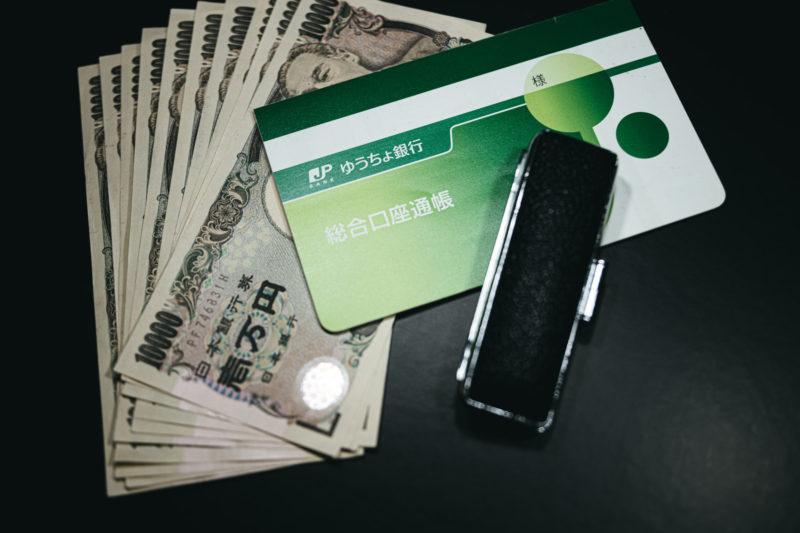
To open a bank account in Japan, you generally need to be a resident and have lived in the country for at least 6 months. Because of this rule, many banks will not allow you to open an account right away. However, Japan Post Bank (Yucho Ginko) allows newcomers to open an account immediately after arrival, though some services may be limited. When opening an account, it is best to visit a branch near your Japanese language school or in an urban area where many foreigners typically open accounts.
1. Residence Card
2. Bank seal
3. Phone number(even a temporary one is useful at this stage)
The Japan Post Bank account you can open at this stage has limited functionality. The transactions that are possible and not possible with a restricted account are as follows:
Note that after staying in Japan for 6 months or more, you can apply to Japan Post Bank to remove these restrictions. Alternatively, you can open a new account at other banks.
Affordable and Easy International Money Transfer: Wise
What is Wise?
Wise is an online service that enables affordable and smooth international money transfers. Having a Wise account allows you to receive money transfers from overseas and send/receive payments in multiple currencies. Additionally, the Wise debit card enables cost-effective payments without hidden exchange rate fees or expensive overseas transaction fees.
Benefits of Wise
- Hold over 40 currencies and exchange them at mid-market rates with minimal fees, making it very cost-effective
- Obtain local bank account details for domestic transfers in AUD, CAD, GBP, HUF, EUR, NZD, RON, SGD, TRY, and USD, allowing you to receive transfers as smoothly as domestic transfers
- Make cost-effective overseas payments using the Wise debit card without hidden exchange rate fees or expensive overseas transaction fees (available for order in: Japan, UK, USA, Australia, Canada, Brazil, most EEA countries, etc.)
Foreign nationals with Japanese visas and issued My Number can order debit cards from within Japan.
- Opening a Wise account is free with no fixed costs. Fees only occur minimally during transfers and currency exchanges.
Most Cost-Effective Way to Receive Transfers to Your Wise Account (International Transfer to Japan)
1. Open a free Wise account
2. Share the local currency account details (such as IBAN) provided by Wise with your family or sender
3. Family or sender transfers in local currency → Immediately reflects in your Wise account
4. Exchange local currency to JPY within your Wise account (minimal fees apply)
5. Transfer Japanese yen to your bank account or use directly with your Wise card
6. Getting a SIM Card
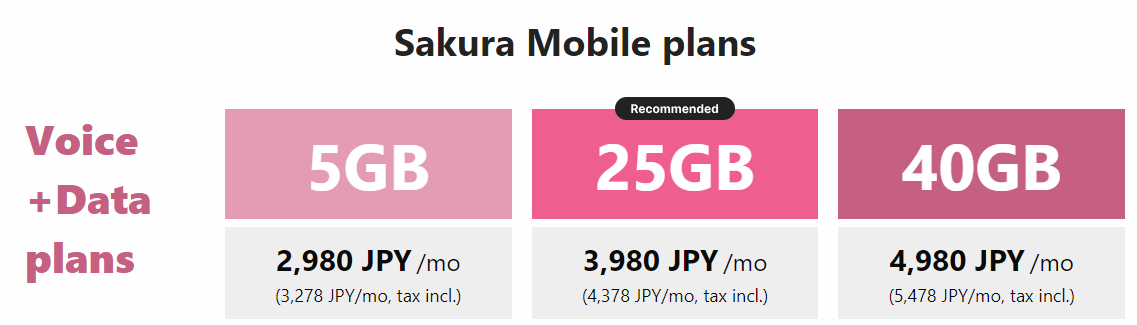
Initially, obtaining SIM cards from major Japanese carriers can be challenging due to language barriers and visa duration requirements (under 2 years). Sakura Mobile offers foreigner-friendly services with:
- Airport pickup available
- Credit card and PayPal payment options
- English customer support
- Slightly higher rates but immediate service
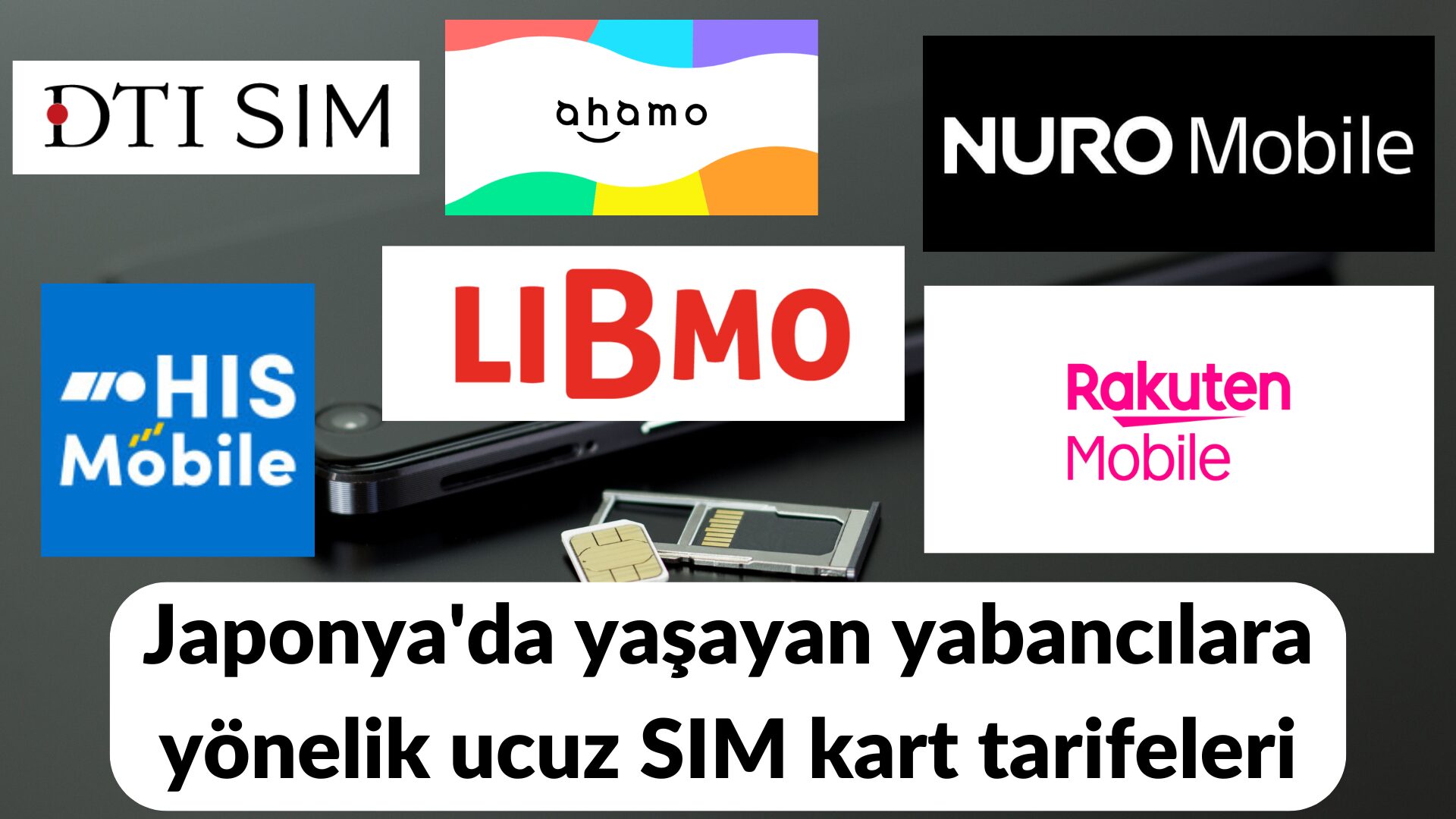
After several months and improved Japanese language skills, consider switching to low-cost SIM providers through online applications for better rates.
Conclusion
In this article, we’ve tried to explain the procedures you need to complete after arriving in Japan. Handling all of these on your own might seem a bit challenging, but don’t worry at all. Due to the significant increase in the number of foreigners in Japan in recent years, you can find English explanations for the documents you need to fill out at municipal offices and banks. If you still encounter difficulties at any point, don’t hesitate to ask us. You can also reach us through social media.
If you found this article or our activities helpful, we would greatly appreciate your support with a cup of coffee ☕✨