This post is also available in:
 日本語
日本語  Türkçe
※この記事内にはプロモーションが含まれています。
If you’re a foreigner working in Japan, taxes are automatically deducted from your monthly salary, and your company pays them on your behalf. This is called “gensen choshu” (withholding at source). While it may seem difficult to adjust your tax amount since taxes are deducted before you receive your salary, understanding Japan’s tax system can help you reduce your tax burden and increase your take-home income.
For detailed information about taxes and insurance premiums deducted from your salary in Japan, please check our related article below↓↓

As a foreigner working in Japan, the best way to reduce your tax burden is to take advantage of the tax deductions available to you. Before introducing the 12 types of tax deductions that working foreigners can utilize in Japan, let’s briefly answer questions like “How are annual net income and tax amounts calculated for workers in Japan?” and “What’s the difference between deductions applied to taxable income versus deductions applied directly to tax?“
If you understand the calculations above, let’s move on to the answer to our next question.
Now, let’s look at the 12 tax deductions available to foreigners working in Japan. Find the ones that apply to your situation and increase your take-home income!
- 1- Employment Income Deduction
- 2- Basic Deduction
- 3- Social Insurance Premium Deduction
- 4- Spouse Deduction
- 5- Dependent Deduction
- 6- Mortgage Loan Deduction
- 7- Furusato Nozei (Hometown Tax)
- 8- Shin NISA (New NISA)
- 9- iDeCo
- 10- Life Insurance Premium Deduction
- 11- Earthquake Insurance Premium Deduction
- 12- Medical Expense Deduction
- Summary
1- Employment Income Deduction
This deduction is automatically applied to everyone with employment income, including foreigners in Japan. It’s calculated as shown in the table below.
| Total Salary | Employment Income Deduction Amount |
| ~¥1,900,000 | ¥650,000 |
| ¥1,900,001~¥3,600,000 | Total Salary × 30% + ¥80,000 |
| ¥3,600,001~¥6,600,000 | Total Salary × 20% + ¥440,000 |
| ¥6,600,001~¥8,500,000 | Total Salary × 10% + ¥1,100,000 |
| ¥8,500,001~ | ¥1,950,000 |
No action required. Your company will automatically apply this deduction on your behalf.
2- Basic Deduction
This is a deduction that all taxpayers (including foreigners) living in Japan can use unconditionally. It’s calculated according to income as shown in the table below.
| Employment Income | Deduction Amount (Income Tax) |
| ~¥1,320,000 | ¥950,000 |
| ¥1,320,001~¥3,360,000 | ¥880,000 |
| ¥3,360,001~¥4,890,000 | ¥680,000 |
| ¥4,890,001~¥6,550,000 | ¥630,000 |
| ¥6,550,001~¥23,500,000 | ¥580,000 |
| ¥23,500,001~¥24,000,000 | ¥480,000 |
| ¥24,000,001~¥24,500,000 | ¥320,000 |
| ¥24,500,001~¥25,000,000 | ¥160,000 |
| ¥25,000,001~ | 0 |
No action required. Your company will automatically apply this deduction on your behalf.
3- Social Insurance Premium Deduction
The amounts deducted from your salary as social insurance premiums are fully deductible from your taxable income for foreigners working in Japan.
For detailed information about taxes and insurance premiums deducted from your salary in Japan, please check our related article below↓↓
No action required. Your company will automatically apply this deduction on your behalf.
4- Spouse Deduction

Foreigners working in Japan can also utilize the spouse deduction. This deduction is available when the taxpayer’s income is below ¥10,000,000 and the spouse’s income is below ¥580,000 (or total salary below ¥1,230,000 if employed).
| Taxpayer’s Income | Deduction Amount | |
| Under 70 | 70 and Over | |
| ~¥9,000,000 | ¥380,000 | ¥480,000 |
| ¥9,000,001~¥9,500,000 | ¥260,000 | ¥320,000 |
| ¥9,500,001~¥10,000,000 | ¥130,000 | ¥160,000 |
Even if your spouse’s income exceeds ¥580,000, you don’t completely lose the spouse deduction. The deduction amount varies based on your spouse’s income. This is called the Special Spouse Deduction, calculated as shown below.
| Spouse’s Income/ Taxpayer’s Income | ~¥9,000,000 | ¥9,000,001 ~¥9,500,000 | ¥9,500,001 ~¥10,000,000 |
| Deduction Amount | |||
| ¥580,001~¥950,000 | ¥380,000 | ¥260,000 | ¥130,000 |
| ¥950,001~¥1,000,000 | ¥360,000 | ¥240,000 | ¥120,000 |
| ¥1,000,001~¥1,050,000 | ¥310,000 | ¥210,000 | ¥110,000 |
| ¥1,050,001~¥1,100,000 | ¥260,000 | ¥180,000 | ¥90,000 |
| ¥1,100,001~¥1,150,000 | ¥210,000 | ¥140,000 | ¥70,000 |
| ¥1,150,001~¥1,200,000 | ¥160,000 | ¥110,000 | ¥60,000 |
| ¥1,200,001~¥1,250,000 | ¥110,000 | ¥80,000 | ¥40,000 |
| ¥1,250,001~¥1,300,000 | ¥60,000 | ¥40,000 | ¥20,000 |
| ¥1,300,001~¥1,330,000 | ¥30,000 | ¥20,000 | ¥10,000 |
You can apply through your company’s year-end tax adjustment (nenmatsu chosei).
5- Dependent Deduction
Foreigners working in Japan can claim deductions for family members who are financially dependent on them with annual income below ¥580,000 (or total salary below ¥1,230,000 if employed). Family members in your home country may also qualify if they meet the conditions.
| Dependent Family Member Status | Deduction Amount |
| 16 years and older | ¥380,000 |
| 19~23 years (special dependent) | ¥630,000 |
| 70 years and older (living separately) | ¥480,000 |
| 70 years and older (living together) | ¥580,000 |
You can apply through your company’s year-end tax adjustment (nenmatsu chosei).
6- Mortgage Loan Deduction
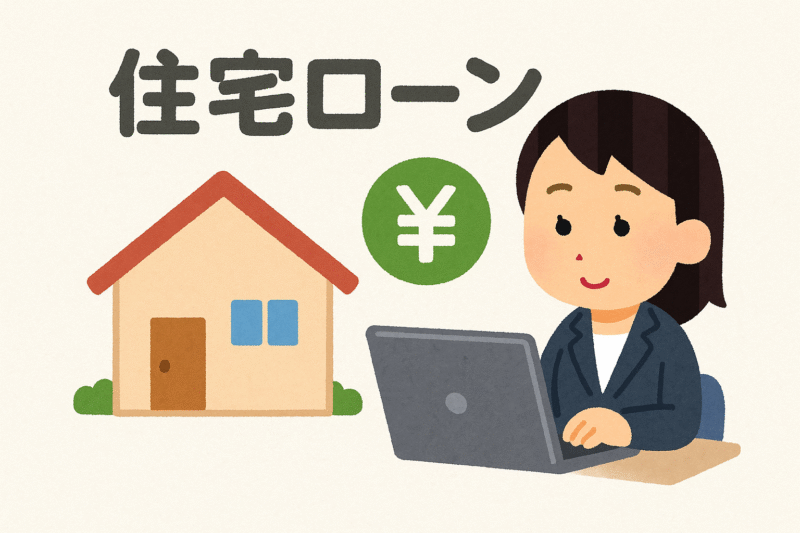
Foreigners working in Japan can also utilize this deduction when taking out a mortgage loan to purchase a home or renovate their house. You can benefit from this for up to 13 years.
Remaining Mortgage Balance × 0.7%
To calculate how much tax deduction you’ll receive each year based on your loan amount, you can use Kakaku’s mortgage loan deduction simulator.
In the first year of purchasing your home, you need to file a tax return (kakuteishinkoku) with the National Tax Agency. You can easily do this online through MynaPortal. If you’re unsure how to file a tax return, we recommend consulting a tax accountant or your local municipal tax consultation office. From the second year onward, you can apply through your company’s year-end tax adjustment (nenmatsu chosei) by submitting the necessary documents.
7- Furusato Nozei (Hometown Tax)

Furusato Nozei is a system available to residents -including foreigners- living in Japan that allows you to make donations to local governments you want to support and receive gift products based on your donation amount. Gift products range from food and beverages to electronic goods and various regional specialties.
In the Furusato Nozei system, the portion of your donation exceeding ¥2,000 is deducted from your taxes. If you file a tax return, the deduction applies to both your income tax for the donation year and your resident tax for the following year. If you use the One-Stop Special System, the entire deduction – including the income tax portion – will be applied to your resident tax for the following year.
There’s a limit to the tax deduction you can receive based on your annual salary. You can check this limit using the Rakuten Furusato Nozei simulator.
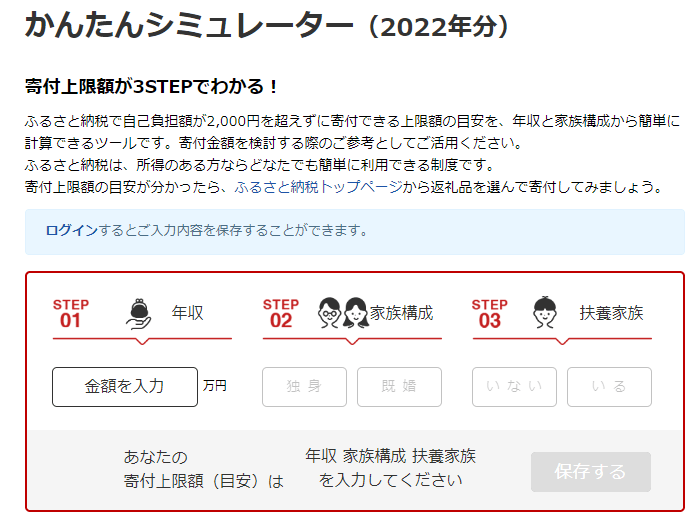
You can use the Rakuten Furusato Nozei portal site to select gift products. This is a great opportunity to get delicious local foods and specialty products from different regions of Japan!
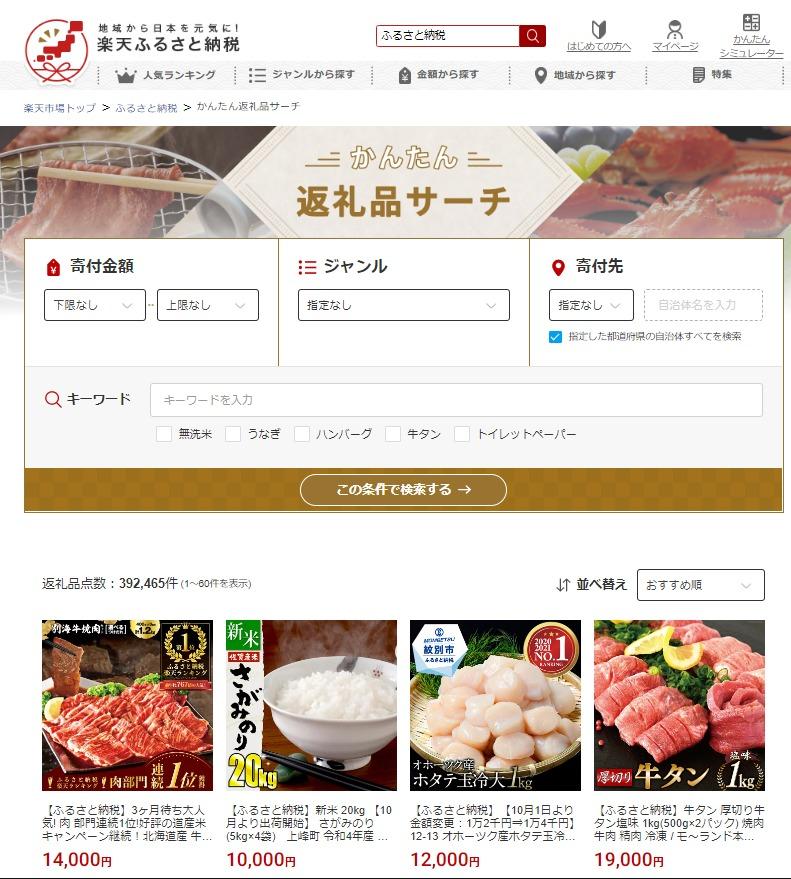
- If you don’t file a tax return: You can apply using the One-Stop Special System (ワンストップ特例制度, Wan sutoppu tokurei seido).
- If you file a tax return: You can receive the deduction by declaring your donations when filing your tax return (kakuteishinkoku).

8- Shin NISA (New NISA)

This is a recommended system for foreigners in Japan interested in stock market investing. Normally, you would need to pay 20.315% tax (15.315% income tax + 5% resident tax) on profits from stock investments. By using Shin NISA (Nippon Individual Savings Account), profits from investing in reliable investment funds designated by the Financial Services Agency (金融庁) are tax-exempt.
When you open a Shin NISA account, you have a tax-exempt investment limit of ¥18,000,000 with no time restrictions, and you can withdraw your money at any time. Remember that the longer you keep your investment, the more your profits are likely to grow!
Any foreigner aged 20 or older with an address in Japan can open a Shin NISA account and invest. You can open an investment account and obtain a Shin NISA account through providers like moomoo Shoken (moomoo証券) or Rakuten Shoken.
If you open an account with moomoo Shoken(moomoo証券) now, you have a chance to earn points worth ¥100,000 that you can use to buy stocks.
Also, if you open an account with Rakuten Shoken and make total investments of ¥40,000 from your regular investment account using your Rakuten Card, you can earn Rakuten Points worth ¥6,000.
Open an investment account and invest through a Shin NISA account.

9- iDeCo

iDeCo (individual Defined Contribution pension, 個人型確定拠出年金) is a personal pension system. Foreigners living in Japan can also use it. You can invest through investment funds, insurance, and cash.
Anyone aged 20-60 with an address in Japan can use iDeCo. However, you cannot withdraw your money until you turn 60, which is the biggest disadvantage. Foreigners who may leave Japan in the future should carefully consider this point.
The monthly contribution limit for company employees is ¥23,000.
- You can deduct your annual contributions as an income deduction from your taxable income, reducing the amount of tax you need to pay
- Profits from your investments are tax-exempt
You can open an investment account through moomoo証券 or Rakuten Shoken and make iDeCo individual pension investments.
Open an investment account and enroll in the individual defined contribution pension.
10- Life Insurance Premium Deduction
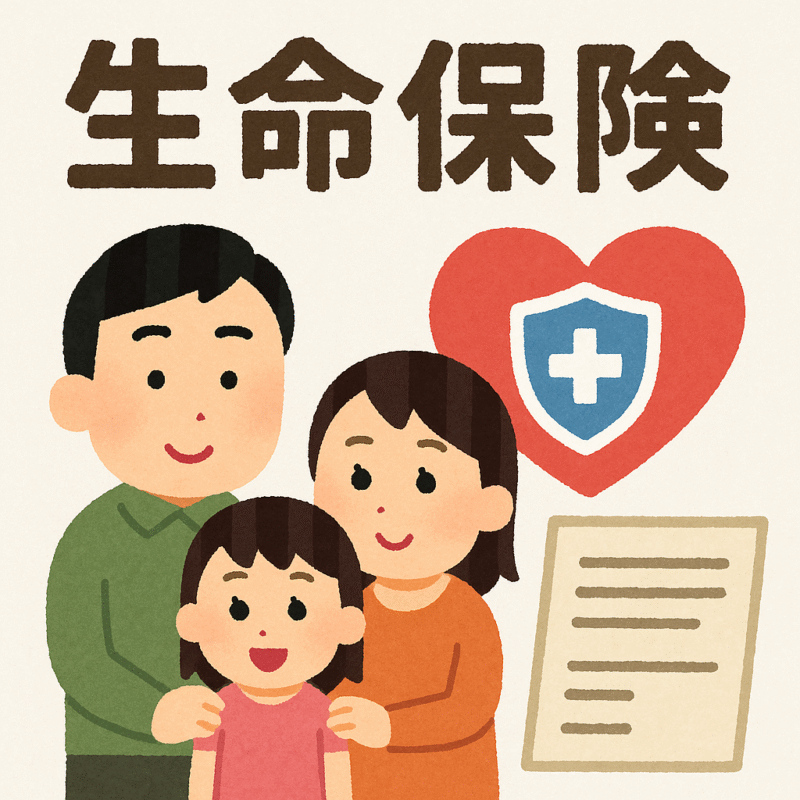
Foreigners working in Japan can also deduct part of their life insurance premiums from their taxable income if they’re enrolled in life insurance.
| Annual Insurance Premium Paid | Deduction Amount |
| ~¥20,000 | Full amount paid |
| ¥20,001~¥40,000 | Amount paid × 1/2 + ¥10,000 |
| ¥40,001~¥80,000 | Amount paid × 1/4 + ¥20,000 |
| ¥80,001~ | ¥40,000 |
You can apply through your company’s year-end tax adjustment (nenmatsu chosei).
11- Earthquake Insurance Premium Deduction

Foreigners working in Japan can also deduct part of their earthquake insurance premiums from their taxable income if they’re enrolled in earthquake insurance. Since Japan is an earthquake-prone country, it’s worth considering earthquake insurance coverage.
| Annual Insurance Premium Paid | Deduction Amount |
| ~¥50,000 | Full amount paid |
| ¥50,001~ | ¥50,000 |
You can apply through your company’s year-end tax adjustment (nenmatsu chosei).
12- Medical Expense Deduction

Foreigners working in Japan can also use this deduction if their out-of-pocket medical expenses (not covered by health insurance) exceed ¥100,000 per year. The ¥100,000 includes medical expenses for you and all family members living in Japan.
Only basic medical expenses such as illness and injury are eligible for this deduction. You cannot include expenses like health checkups or cosmetic surgery in this tax deduction.
The medical expense deduction is calculated as follows, and the calculated amount is deducted from your taxable income to provide a tax deduction.
Total Medical Expenses (excluding insurance coverage) – ¥100,000 (limit up to ¥2,000,000)
For people with income below ¥2,000,000, the calculation is as follows: Total Medical Expenses (excluding insurance coverage) – “Total Income × 5%”
You need to file a tax return (kakuteishinkoku) with the National Tax Agency. The tax return can be submitted online through the MynaPortal. You cannot apply through year-end tax adjustment (nenmatsu chosei). If you’re unsure how to file a tax return, we recommend consulting a tax accountant or your local municipal tax consultation office.
Summary
In this article, we’ve introduced 12 types of tax deductions available to foreigners working in Japan. Since there are many deduction systems available in Japan, the more you increase your knowledge about taxes, the more you can increase your take-home salary.
Some things in this article may seem difficult, but don’t worry – Japanese people struggle with this too! We hope the information provided in this article will help foreign residents improve their lives in Japan. If you have any questions about taxes and deductions in Japan, please feel free to contact us. You can reach us through social media or the contact form below. Multilingual support is available.
If you found this article or our activities helpful, we would greatly appreciate your support with a cup of coffee ☕✨