This post is also available in:
 日本語
日本語  Türkçe
Are you a foreigner considering working in Japan? Be careful if you think the salary listed in the job posting will be your actual take-home pay! Due to tax and social insurance deductions, your actual salary may be lower than expected. This situation causes disappointment for many foreign workers after they start working. However, knowing in advance what deductions will be made from your salary will help you understand whether the offer presented to you is truly sufficient and enable you to negotiate your salary more wisely.
- How is the annual net income for foreign workers in Japan determined?
- What taxes do foreign workers in Japan pay?
- What social insurance premiums do foreign workers in Japan pay?
- What is year-end tax adjustment (nenmatsu chosei)?
How to Calculate Annual Net Income and Tax Amounts for Foreign Workers in Japan

To calculate the tax amount you will pay as a foreign worker in Japan, you first need to calculate your taxable income. Taxable income is calculated by subtracting the available deductions from your total salary. These deductions include the social insurance premiums you pay.
給与所得 (Employment Income) = 給与 (Salary (Gross amount)) – 給与所得控除 (Employment Income Deduction)
課税所得 (Taxable Income) = 給与所得 (Employment Income) – 所得控除 (Income Deductions)
After calculating your taxable income, you can calculate the tax amount you need to pay by multiplying it by the tax rate. This tax rate varies from 5% to 45% for income tax depending on your income level, while residence tax is a flat 10% for everyone.
所得税(Income Tax) = 課税所 (Taxable Income) X 税率 (Tax Rate)「%5~45 」
住民税(Residence Tax) = 課税所 (Taxable Income) X 税率 (Tax Rate)「%10」
Your annual net income is calculated by subtracting the total tax amount and social insurance premiums you paid from your salary.
手取り (Net Income) = 給与 (Salary (Gross amount)) – 所得税 (Income Tax) – 住民税 (Residence Tax) – 社会保険料 (Social Insurance Premiums)
Taxes Deducted from Foreign Workers’ Salaries in Japan

Two types of taxes are deducted from the salaries of foreign workers in Japan: income tax and residence tax. The amount of these taxes does not vary depending on whether you are a foreigner or Japanese national. Tax amounts are determined based on calculations according to your taxable income.
1- Income Tax
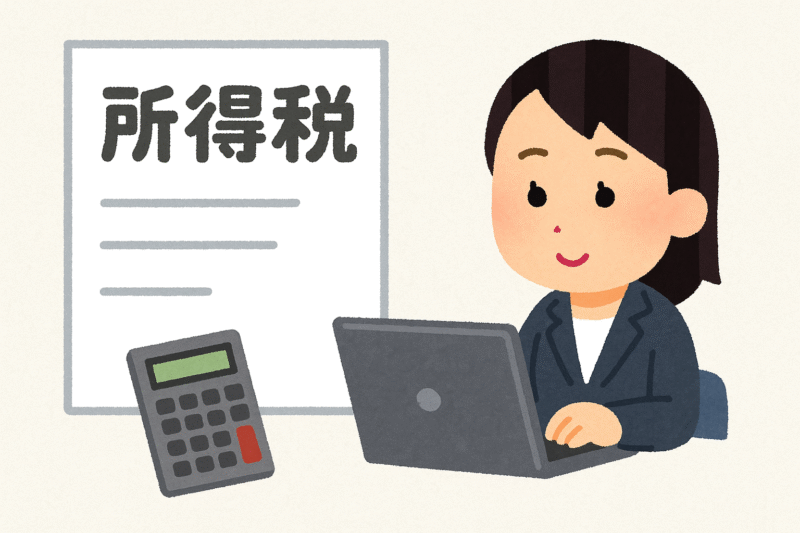
Income tax is a tax levied on the income earned during one year from January 1 to December 31. The income tax amount is determined by a progressive tax system. As your taxable income increases, your tax rate also increases. There are 7 tax brackets: 5%, 10%, 20%, 23%, 33%, 40%, and 45%.
| Taxable Income Range | Income Tax Rate |
| ¥1000 ~ ¥1,950,000 | %5 |
| ¥1,950,000 ~ ¥3,300,000 | %10 |
| ¥3,300,000 ~ ¥6,950,000 | %20 |
| ¥6,950,000 ~ ¥9,000,000 | %23 |
| ¥9,000,000 ~ ¥18,000,000 | %33 |
| ¥18,000,000 ~ 40,000,000 | %40 |
| 40,000,000 ~ | %45 |
Companies calculate your estimated annual net income at the beginning of the year and deduct the estimated income tax amount from your monthly salary. After your actual net income is finalized at the end of the year, adjustments are made. If you overpaid taxes, you will receive a refund in your December salary; if you underpaid, you will pay additional taxes.
2- Residence Tax
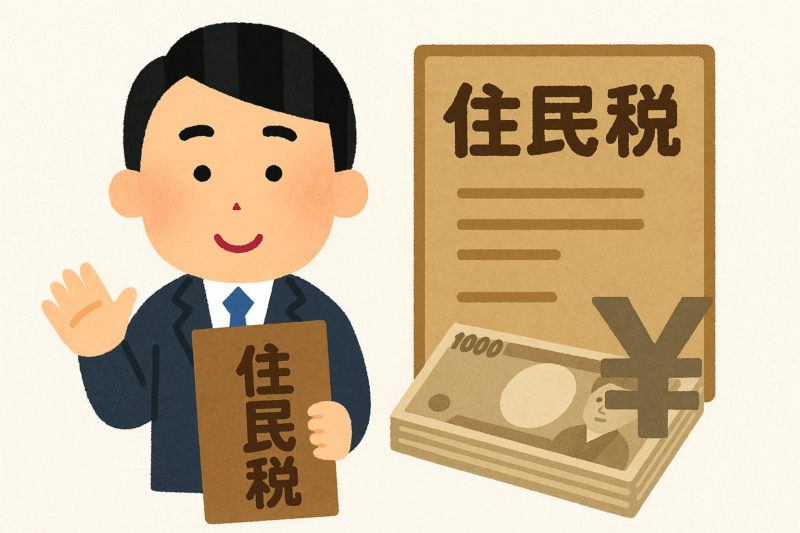
Residence tax is a tax paid to the local government where you reside. Residence tax is calculated by multiplying your taxable income by a tax rate of 10%. The tax rate does not change as your taxable income increases.
The most important difference that distinguishes residence tax from income tax is that it is levied on the previous year’s income. Income tax is paid on the current year’s income. Therefore, you will not pay residence tax in the first year you start working in Japan.
Every year in May, residence tax notifications are issued based on the previous year’s taxable income. This notification is sent from local governments to your company, and your company distributes it to you. You pay residence tax from June until May of the following year. For example, residence tax on your 2025 taxable income will be deducted from your monthly salary in 12 installments between June 2026 and May 2027.
Social Insurance Premiums Deducted from Foreign Workers’ Salaries in Japan

Three types of insurance premiums are deducted from the salaries of foreign workers in Japan: health insurance premiums, employees’ pension insurance premiums, and employment insurance premiums. The amount of these insurance premiums does not vary depending on whether you are a foreigner or Japanese national. The insurance premiums you need to pay are determined based on calculations according to your total salary.
1- Health Insurance Premium
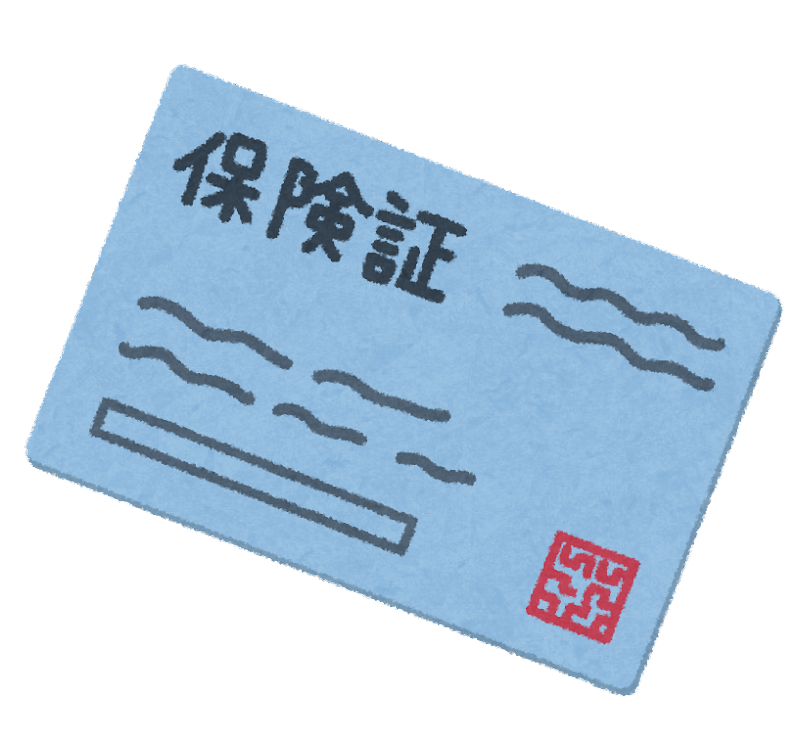
Health insurance is an insurance system that ensures coverage of medical expenses that may arise in case of illness or accident. The insured person pays only 30% of medical expenses.
Health insurance premiums are set at different rates by prefecture and are generally around 10%. Half of the 10% (5%) is paid by the employer, and the remaining half (5%) is paid by the employee. The annual payment amount is deducted from your monthly salary in 12 installments.
Employees aged 40 to 64 pay 0.9% of their total salary as long-term care insurance premiums in addition to health insurance.
2- Employees’ Pension Insurance Premium

Japan has two types of pension systems: National Pension Insurance and Employees’ Pension Insurance. All individuals aged 20 and over and under 60 are required to enroll in National Pension Insurance.
- 国民年金保険(Kokumin nenkin hoken, National Pension Insurance) → All individuals (including foreigners) residing in Japan aged 20 and over and under 60 must enroll in this insurance.
- 厚生年金保険(Kōsei nenkin hoken, Employees’ Pension Insurance) → Civil servants and company employees enroll in this insurance.
Civil servants and company employees enroll in Employees’ Pension Insurance. This insurance is a two-tier pension system that also includes National Pension Insurance. Those enrolled in Employees’ Pension Insurance receive the “Employees’ Pension” from Employees’ Pension Insurance in addition to the “Basic Pension” from National Pension Insurance after retirement.
The Employees’ Pension Insurance premium rate is 18.3% of the total salary, with half (9.15%) covered by the company and half (9.15%) covered by the employee. The annual payment amount is deducted from your monthly salary in 12 installments.
3- Employment Insurance Premium
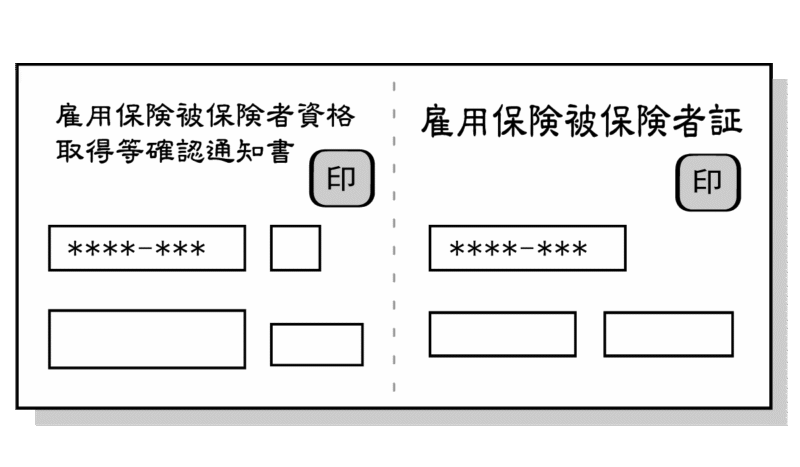
Employment insurance is an insurance system designed to help employees maintain a stable life in situations where they cannot work, such as unemployment, childcare leave, or illness.
The employment insurance premium rate is 1.45% of the total salary, with 0.9% covered by the company and 0.55% covered by the employee. The annual payment amount is deducted from your monthly salary in 12 installments.
What is Year-End Tax Adjustment (Nenmatsu Chosei)?
Companies deduct taxes throughout the year based on estimated taxable income data from the beginning of the year. However, this does not always reflect your actual taxable income. Situations such as salary increases during the year or a spouse quitting their job significantly affect your tax situation.
Generally, Japanese companies conduct a procedure called “year-end tax adjustment (nenmatsu chosei)” between November and December to determine the tax deductions you can utilize. During this procedure, you report to your company various deductions you can use based on whether you have a mortgage, the number of family members, and various insurances you have personally enrolled in, thereby determining your actual taxable income.
If the company has deducted excessive taxes throughout the year, it will be refunded in your December salary; if insufficient taxes were deducted, additional taxes may be deducted from your December salary.

In year-end tax adjustment, you may be eligible for deductions if you are sending money to support dependent family members living in your home country. Please consult your company’s HR representative regarding the required documents.
Summary
Finally, here is a summary table of the taxes and social insurance premiums deducted from the salaries of foreign workers in Japan as explained in this article.
| Taxable Income Range | Income Tax Rate | Residence Tax Rate |
| ¥1000 ~ ¥1,950,000 | %5 | %10 |
| ¥1,950,000 ~ ¥3,300,000 | %10 | %10 |
| ¥3,300,000 ~ ¥6,950,000 | %20 | %10 |
| ¥6,950,000 ~ ¥9,000,000 | %23 | %10 |
| ¥9,000,000 ~ ¥18,000,000 | %33 | %10 |
| ¥18,000,000 ~ 40,000,000 | %40 | %10 |
| 40,000,000 ~ | %45 | %10 |
| Type of Insurance | Premium Rate (on gross salary) | Company Share | Employee Share |
| Health Insurance Premium | %10 | %5 | %5 |
| Long-term Care Insurance (40-64 years old) | %1,8 | %0,9 | %0,9 |
| Employees’ Pension Insurance Premium | %18,3 | %9,15 | %9,15 |
| Employment Insurance Premium | %1.45 | %0,9 | %0,55 |
Knowing how much tax and social insurance premiums will be deducted from your salary in Japan is extremely helpful for foreign workers when receiving job offers to determine whether the offer is at an appropriate salary level for the job and to negotiate salary effectively.
In this article, we have provided information about the taxes and insurance premiums that will be deducted from your salary as a foreign worker in Japan. If you have any questions, please feel free to contact us through social media or through the contact form below.
If you appreciate our work and would like to support our continued growth, you can support us by buying us a coffee.
If you found this article or our activities helpful, we would greatly appreciate your support with a cup of coffee ☕✨