This post is also available in:
 日本語
日本語  Türkçe
※この記事内にはプロモーションが含まれています。
For international students aspiring to study at Japanese universities, the Examination for Japanese University Admission for International Students (EJU) represents a crucial stepping stone to academic success in Japan. This comprehensive guide answers all your questions about the EJU exam and provides essential information for prospective test-takers.
What is the EJU Exam?
The Examination for Japanese University Admission for International Students (EJU) is a standardized university entrance exam specifically designed to assess the Japanese language proficiency and academic abilities of international students seeking admission to Japanese universities and higher education institutions.
Who Should Take the EJU Exam?

The EJU is targeted at international students planning to apply for admission to the following educational institutions in Japan:
- University undergraduate programs
- Junior colleges (2-year programs)
- Specialized vocational schools
EJU Test Centers: Where Can You Take the Exam?
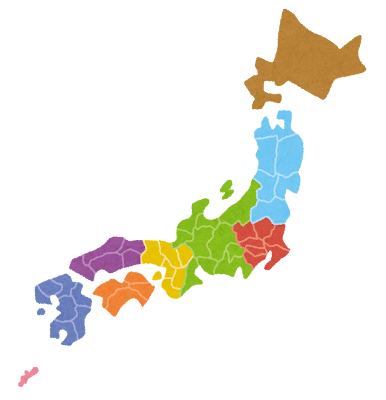
International students must take the EJU in Japan or in other countries where the exam is administered.
Test Centers in Japan:
Hokkaido, Miyagi, Gunma, Saitama, Chiba, Tokyo, Kanagawa, Ishikawa/Toyama/Fukui, Shizuoka, Aichi, Kyoto/Shiga, Osaka, Hyogo, Okayama/Hiroshima, Kochi, Fukuoka/Okinawa
International Test Centers:
Hong Kong, India (New Delhi), Indonesia (Jakarta, Surabaya), Malaysia (Kuala Lumpur) , Mongolia (Ulaanbaatar), Myanmar (Yangon) , Philippines (Manila), South Korea (Seoul, Busan), Russia (Vladivostok), Singapore, Sri Lanka (Colombo),Taiwan (Taipei), Thailand (Bangkok, Chiang Mai), Vietnam (Hanoi, Ho Chi Minh City)
For detailed information about overseas EJU agencies, visit the official JASSO website.
Students applying from countries without test centers must arrange for a local representative to handle exam procedures (such as receiving admission tickets) and obtain the necessary visa to enter the testing country.
2025 EJU Exam Schedule

The EJU is conducted twice annually, in June and November.
| First Session | Second Session | |
| Application Period | February 10 – March 6, 2025 | July 7 – July 31, 2025 |
| Exam Date | June 15, 2025 | November 9, 2025 |
| Results Announcement | July 23, 2025 | December 17, 2025 |
How to Apply for the EJU

Students in Japan can apply online through the official application system.
If you’re enrolled in a Japanese language school, the institution typically handles the application process on your behalf.
EJU Exam Fees

1 Subject → 10,000 JPY
2 or More Subjects → 19,000 JPY
EJU Test Content and Structure
Subject Composition
The EJU consists of four main subject areas: Japanese Language, Science, Japan and the World (Social Studies), and Mathematics. The specific subjects you need to take depend on your target university and faculty requirements. Always verify the admission requirements of your desired university before applying for the EJU.
Subject Details
- Science: Choose 2 out of 3 fields (Physics, Chemistry, Biology)
- Important: Science and Japan and the World cannot be taken simultaneously
- Mathematics: Choose between Course 1 or Course 2
- Mathematics Course 1: Designed for humanities students
- Mathematics Course 2: Designed for science and engineering students
Test Duration, Scoring, and Language Options
| Subject | Subject | Score Range | Test Language |
| Japanese Language | 125 minutes | Reading/Listening/Reading-Listening: 400 points Writing: 0-50 points | Japanese |
| Science | 80 minutes | 0-200 points | English or Japanese |
| Japan and the World | 80 minutes | 0-200 points | English or Japanese |
| Mathematics | 80 minutes | 0-200 points | English or Japanese |
Required EJU Scores for Japanese Universities
Most Japanese universities do not set specific minimum score requirements at the application stage. However, some institutions, particularly national and public universities, may establish score thresholds. Given the competitive nature of national and public universities, achieving the highest possible scores is strongly recommended.

EJU Preparation Strategies

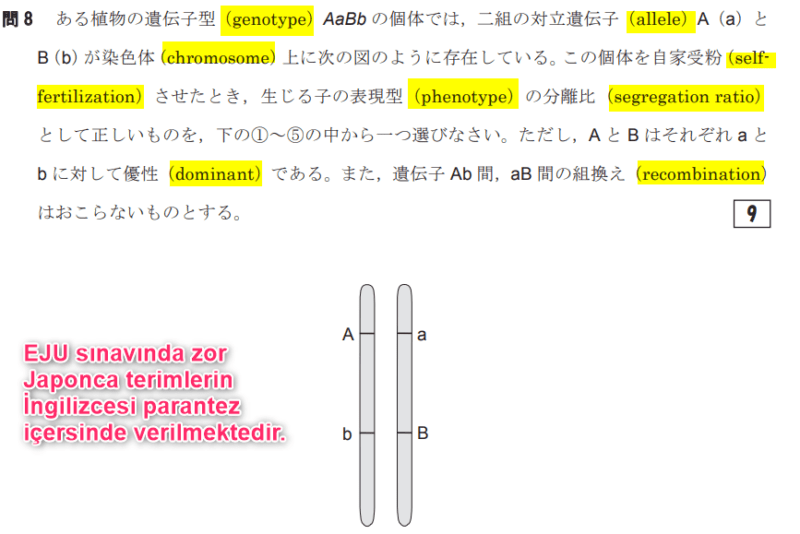
Students who have thoroughly prepared for university entrance exams in their home countries should be able to handle the academic subjects of the EJU. These subjects can be taken in either English or Japanese. When choosing Japanese, some specialized Japanese terminology includes English translations, eliminating the need to memorize extensive Japanese vocabulary.
The most challenging aspect of the EJU is the Japanese Language section. This test includes both multiple-choice questions and an essay writing component. The essay requires students to write about a given topic using hiragana, katakana, and kanji characters. Students from non-kanji-using countries naturally face greater difficulties, necessitating at least one year of intensive Japanese language study.
For comprehensive EJU preparation, consider enrolling in a Japanese language school that offers EJU-focused courses and university application support. Many language schools provide additional classes in science, social studies, and mathematics specifically tailored for EJU success.

Useful resources for EJU preparation↓↓↓
The latest past exam question collections can be purchased on Amazon and Rakuten.
2023 1st EJU Questions↓↓↓
2023 2nd EJU Questions↓↓↓
In addition to past exam questions, you can also use the following question collections to fully prepare for the EJU.
Japanese is here↓ ↓ ↓
Mathematics Course 1 is here ↓ ↓ ↓
Mathematics Course 2 is here↓ ↓ ↓
Chemistry is here↓ ↓ ↓
Physics is here↓ ↓ ↓
Biology is here↓ ↓ ↓
Japan and the World↓ ↓ ↓
Benefits of Taking the EJU
- The EJU is the most widely accepted examination for international student university admission in Japan, with over 940 educational institutions recognizing EJU scores.
- High-scoring EJU students become eligible to apply for the Monbukagakusho Honors Scholarship for Privately-Financed International Students reservation program. If you’re interested in this scholarship opportunity, remember to complete the scholarship application section when registering for the EJU.
Conclusion
This comprehensive guide has provided essential information about the EJU examination required for pursuing higher education in Japan. To achieve high EJU scores and gain admission to prestigious Japanese universities, we recommend enrolling in a high-quality Japanese language school that specializes in EJU preparation.
If you have any questions about the EJU or need additional guidance, please don’t hesitate to contact us. We wish all prospective EJU test-takers the best of luck in their academic pursuits.
If you found this article helpful and would like to support our educational content, consider buying us a coffee ☕✨