This post is also available in:
 日本語
日本語  Türkçe
※この記事内にはプロモーションが含まれています。
For international students considering studying in Japan, one of the biggest concerns is understanding monthly living costs for university students. This comprehensive guide covers the average monthly expenses for Japanese university students, explores strategies for supplementing your budget through part-time jobs and scholarships, and provides valuable insights into financial support expectations from families.
- Japanese University Tuition Fees
- Average Monthly Living Costs for Japanese University Students
- Part-Time Work Situation for Japanese University Students
- Scholarships
- Financial Support Needed from Family
- Tips for Living Cheaply as a University Student in Japan
- Aim for National or Public Universities
- Live in Dormitories to Save on Housing Costs
- How to Reduce Monthly Fixed Expenses
- Bring Meals from Home
- Convenience Stores Are Convenient but Not Budget-Friendly
- Utilize 100-Yen Shops
- Get Household Items at Great Prices Through Second-Hand Shopping
- Make the Most of Your Student Discounts
- Save More with Cashless Payments Over Cash
- Conclusion
Japanese University Tuition Fees

| University Type | Admission Fee (¥) | Tuition Fee (¥) | Total (¥) |
| National Universities | 282,000 | 535,800 | 817,800 |
| Public Universities | 374,371 | 536,191 | 910,562 |
| Private Universities | 240,806 | 959,205 | 1,200,011 |

Average Monthly Living Costs for Japanese University Students
Here’s a detailed breakdown of the average monthly living expenses for university students in Japan:
| Expense Category | Monthly Average (¥) |
| Housing | 30,695 |
| Utilities (Water, Gas, Electricity) | 12,816 |
| Food | 20,695 |
| Health and Hygiene | 4,083 |
| Entertainment and Hobbies | 10,129 |
| Educational Expenses | 4,325 |
| Other Daily Expenses (Transportation, Internet, Mobile Phone, etc.) | 19,153 |
| Total | 101,896 |
Housing Costs

Your monthly housing expenses will vary depending on the city you live in, distance from the nearest station to your home or dormitory, and room size. The national average for student housing costs is approximately ¥30,695 per month.
If you rent your own apartment, you’ll need to pay a substantial upfront deposit including security deposits and other fees before moving in. To reduce housing costs, consider staying in student dormitories or share houses. These accommodations often include utilities in the rent.
For international students looking for affordable rental housing in Tokyo or Osaka, check out the housing options provided by “Xross House.” You can choose rental housing that suits you from various options including share houses and single-person apartments equipped with furniture, appliances, and Wi-Fi.
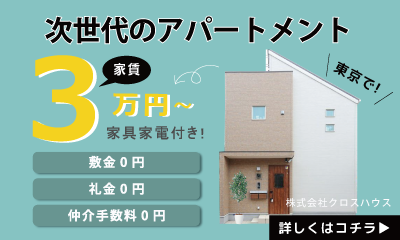

For more information about Xross House, please refer to the article below. If you need any assistance with renting from Xross House, please don’t hesitate to contact us.

Food Expenses

With an average monthly budget of ¥20,695 (approximately ¥700 per day), eating out every day isn’t realistic. You’ll need to incorporate home cooking into your routine to stay within budget.
Utilities
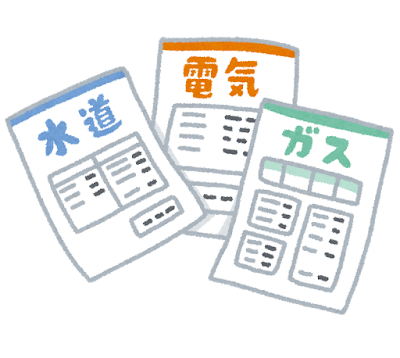
Monthly utility costs average around ¥12,816.
apanese households use two types of gas: city gas and propane gas (LPG). Choosing accommodation with city gas can significantly reduce your gas expenses.
Entertainment and Hobbies

Entertainment and hobby expenses are essential for enriching your student life in Japan. It’s important to budget for these activities in advance. While costs vary by individual, the average is approximately ¥10,129 per month.
For international students, participating in university club activities is crucial for improving Japanese language skills and making friends. However, attending every event you’re invited to can make it difficult to manage your living expenses.
Health and Hygiene
Japanese health insurance costs vary slightly by region but typically range from ¥1,000-2,000 per month. Medical expenses vary depending on how often you visit hospitals, but with insurance coverage, you only pay 30% of the actual medical costs.
Additionally, budget for personal care expenses like hair salon visits. Costs depend on which salon you choose and how frequently you go. Japanese hair salons serve both men and women and require appointments. You can easily book appointments using reservation sites like Rakuten Beauty.
Educational Expenses

A monthly budget of approximately ¥4,325 is sufficient for educational materials. When you need books, consider borrowing from the library or purchasing used books from Amazon Japan.
Other Daily Expenses (Transportation, Internet, Mobile Phone, etc.)
Transportation costs can be expensive in Japan, so living near your school and commuting by bicycle can significantly reduce transportation expenses. If you work part-time, also consider accessibility between your home and workplace.
Home internet connection costs approximately ¥4,000-8,000 per month. However, some apartments and student dormitories include internet fees in the rent, so choosing such properties can help you save on communication costs.
👉 For details on affordable internet services in Japan and the contract process, please refer to the article below.↓↓
Recently, affordable mobile phone companies (MVNOs) have rapidly increased in number. Using these services can keep your mobile phone costs to approximately ¥2,000 per month.
👉 For information on recommended cheap SIM cards for foreigners living in Japan, please see the article below. ↓↓

Part-Time Work Situation for Japanese University Students

In Japan, approximately 80.7% of university students work part-time jobs. Depending on the amount of financial support you receive from your family, you may need to supplement your living expenses through part-time work. Job types vary widely and include cashier staff, waitstaff, foreign language teachers, delivery workers, and many others.
For international students, the Japanese government permits working up to 28 hours per week while on a student visa. During long holidays like summer and spring break, this limit increases to 40 hours per week. Part-time hourly wages vary by region and job type but typically range from ¥1,000-2,000.
If you work the maximum permitted hours throughout both the 7-month academic period and 5-month holiday period, you could potentially earn approximately ¥1.6 million per year.

Popular Part-Time Jobs Among University Students
The most popular part-time job among Japanese university students is restaurant work. Restaurant jobs often come with meal benefits, allowing students to save on food expenses, making them particularly attractive.
Delivery services like Uber Eats have become especially popular in recent years. These jobs offer flexibility to work during preferred hours, making it easier to balance with student life.
For those who want to “earn efficiently with fewer working hours,” language teaching is highly recommended. International students with strong foreign language skills have opportunities to earn relatively high hourly wages.
Additionally, some students take on resort jobs with accommodation during long holidays. Resort work offers unique experiences not available in regular daily life while providing good earning opportunities.

Websites for Finding Part-Time Jobs in Japan
シゴトin
You can use the “シゴトin” website to find part-time jobs near your residential area online.
CONV

CONV (コンブ) is a comprehensive job site offering a wide range of job information. You can search for jobs by prefecture and find work that’s close to home and easily accessible. This is particularly convenient for those living in rural areas.
2- 雇用形態 (Employment Type) → Select “Part-time/Arubaito” (パート・アルバイト). This option gives you access to part-time positions.
Scholarships

Japan offers numerous scholarship opportunities through various organizations:
- MEXT (Ministry of Education, Culture, Sports, Science and Technology)
- JASSO (Japan Student Services Organization)
- Universities
- Private organizations
Since Japan has many international students from Asia, European students receive preferential treatment in scholarships to increase diversity among international students in the country.
How to Research Scholarship Information
The number of scholarships you can apply for before coming to Japan is very limited. However, once you arrive in Japan, there are numerous scholarship opportunities available for international students.
Scholarships Available Before Coming to Japan:
- Japanese Government Scholarships (MEXT)
- Reservation Program for Monbukagakusho Honors Scholarship for Privately-Financed International Students by Pre-arrival Admission
- Scholarships provided by admitted universities
- Some private foundation scholarships (very limited)
Scholarships You Can Apply for After Arriving in Japan
- The Monbukagakusho Honors Scholarship for Privately-Financed International Students
- Scholarships provided by admitted universities
- Various private organizations (many options available)
How to Find Appropriate Scholarships
1. First, get information about available scholarships from the international student office of your admitted university
2. Utilize the following resources for comprehensive scholarship searches:
Financial Support Needed from Family

The amount of financial support needed from family varies depending on your university, lifestyle, and whether you receive scholarships. In reality, many international students live without financial support from their families. However, even with scholarships, family support may become necessary for tuition fees or unexpected large expenses.
As you know, international money transfers through traditional banks tend to involve high fees. For those who want to receive money transfers from family cheaply and easily, we recommend using a Wise account.
Affordable and Easy International Money Transfer: Wise
What is Wise?
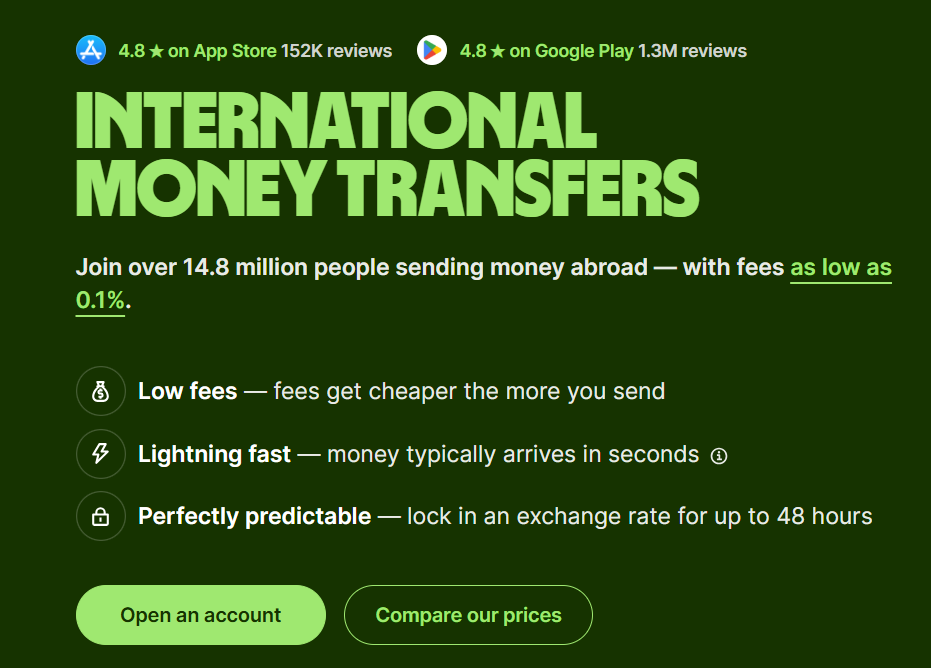
Wise is an online service that enables affordable and smooth international money transfers. Having a Wise account allows you to receive money transfers from overseas and send/receive payments in multiple currencies. Additionally, the Wise debit card enables cost-effective payments without hidden exchange rate fees or expensive overseas transaction fees.
Benefits of Wise
- Hold over 40 currencies and exchange them at mid-market rates with minimal fees, making it very cost-effective
- Obtain local bank account details for domestic transfers in AUD, CAD, GBP, HUF, EUR, NZD, RON, SGD, TRY, and USD, allowing you to receive transfers as smoothly as domestic transfers
- Make cost-effective overseas payments using the Wise debit card without hidden exchange rate fees or expensive overseas transaction fees (available for order in: Japan, UK, USA, Australia, Canada, Brazil, most EEA countries, etc.)
Foreign nationals with Japanese visas and issued My Number can order debit cards from within Japan.
- Opening a Wise account is free with no fixed costs. Fees only occur minimally during transfers and currency exchanges.
Most Cost-Effective Way to Receive Transfers to Your Wise Account (International Transfer to Japan)
1. Open a free Wise account
2. Share the local currency account details (such as IBAN) provided by Wise with your family or sender
3. Family or sender transfers in local currency → Immediately reflects in your Wise account
4. Exchange local currency to JPY within your Wise account (minimal fees apply)
5. Transfer Japanese yen to your bank account or use directly with your Wise card
Tips for Living Cheaply as a University Student in Japan

As you may have noticed from reading this far, studying abroad in Japan can be quite expensive. To minimize these costs, let’s explore the following money-saving strategies to make tuition and living expenses in Japan more affordable.
Aim for National or Public Universities
University tuition is the largest budget item for higher education in Japan. If you can gain admission to either a national or public university, you can reduce tuition fees by half or even two-thirds compared to private universities. Additionally, since national and public universities are prestigious institutions, your chances of securing scholarships increase significantly.
- Lower university tuition fees
- Much higher probability of securing scholarships
Live in Dormitories to Save on Housing Costs
One of the biggest expenses in Japanese student life is housing costs. In fact, housing costs often represent the second-largest expense after tuition.
Renting an apartment in Japan is not simple. Contracts require deposits (shikikin) and key money (reikin), with initial costs potentially reaching 5-6 months’ rent. This presents a significant hurdle for students.
Dormitory living, however, significantly reduces these initial costs. While there are some upfront costs when moving into a dormitory, they’re much more affordable than renting an apartment. Many dormitories also include utilities like water, electricity, gas, and internet in the rent, making monthly living expenses more predictable.
- Lower rent than apartments
- Reduced initial costs
- Some dormitories include utilities, enabling further savings
- Easy environment for making friends
For international students looking for affordable rental housing in Tokyo or Osaka, check out the housing options provided by “Xross House.” You can choose rental housing that suits you from various options including share houses and single-person apartments equipped with furniture, appliances, and Wi-Fi.
For more information about Xross House, please refer to the article below. If you need any assistance with renting from Xross House, please don’t hesitate to contact us.
How to Reduce Monthly Fixed Expenses
One key to reducing living costs in Japan is reviewing your monthly fixed expenses. Mobile phone, internet, and gas costs can be significantly reduced with the right approach.
Choose Budget SIM Cards
Instead of major carriers like SoftBank, au, or docomo, we recommend choosing communication companies that offer budget SIM services. You can reduce monthly communication costs to approximately ¥2,000-3,000.
Home Internet Selection
When contracting home internet services, choose companies with generous cashback campaigns. Also, some properties offer free internet-equipped housing, so checking this when searching for accommodation can provide additional savings.

Tips for Reducing Gas Costs
Gas costs vary significantly depending on your chosen housing. Properties using city gas have lower rates than LPG (propane gas), making them much more economical long-term.
Additionally, services that offer discounted rates when you bundle city gas and electricity contracts are available. Smart use of bundle discounts (最大15%の節約を実現!) can further reduce your monthly utility costs.

Bring Meals from Home

You might think “bringing food from home seems a bit strange,” but it’s completely normal in Japan. Both working professionals and students commonly bring homemade bento (lunch boxes). This is part of Japan’s “bento culture.” University students shouldn’t worry—many of your friends will likely bring bento too.
Convenience Stores Are Convenient but Not Budget-Friendly
Japanese convenience stores operate 24 hours and sell almost everything, making them incredibly convenient. However, prices are higher compared to supermarkets. If you want to save money, choose affordable supermarkets for daily necessities and groceries.
Utilize 100-Yen Shops
For everyday small items like pens, notebooks, batteries, dishes, and storage solutions, 100-yen shops are sufficient. You can affordably acquire everything you need.
Get Household Items at Great Prices Through Second-Hand Shopping

When you start living in Japan, you’ll need household items like furniture and appliances. While buying everything new can be quite expensive, purchasing second-hand items can lead to significant savings. Here are some recommended second-hand shopping sites available in Japan.
Mercari
Japan’s largest second-hand goods e-commerce site.
- Features: Sells both used and new items. Purchased items are delivered by mail for your convenience.
- Language: Japanese
Invitation code to get 500 yen worth of points when you first register and start using Mercari: TWRWYP
- Invitation code: TWRWYP
- Mercari app: Iphone / Android
- How to use: Download the Mercari app and enter invitation code TWRWYP (not available for web registration)
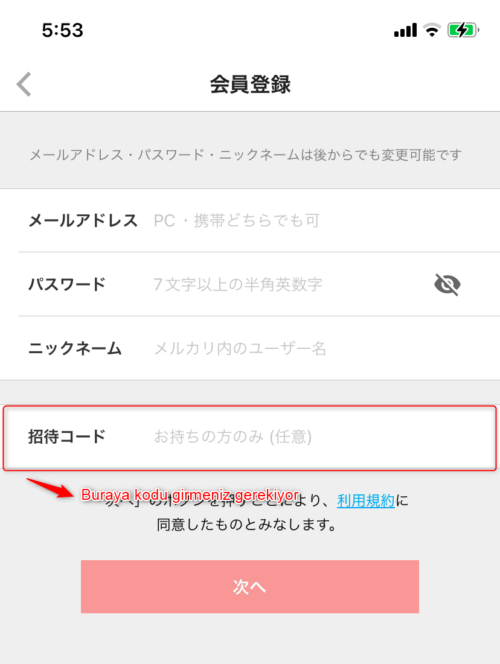
Please watch the video below to learn how to register on Mercari and enter your invitation code.
Craiglist
A site featuring advertisements from people wanting to sell second-hand items.
- Features: Direct purchase from sellers’ homes is common. Users tend to be predominantly foreigners.
- Available Areas: Okinawa, Hiroshima, Sapporo, Sendai, Osaka, Tokyo, Fukuoka, Nagoya
- Language: Multi-language support
Good option for those who are comfortable with English.
Jimoty
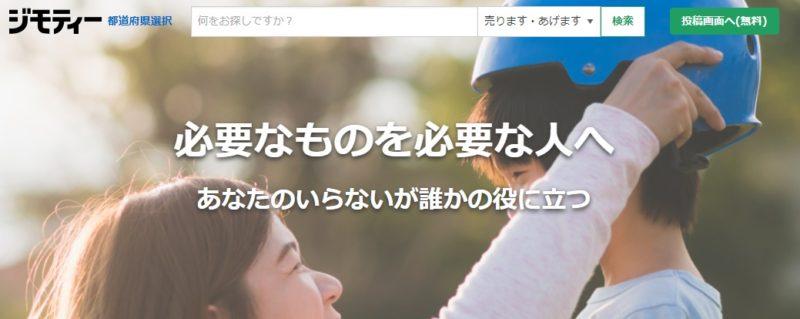
A bulletin board-style second-hand goods site available throughout Japan.
- Features: Direct pickup from sellers’ homes is common. Users are mainly Japanese, enabling local community interactions.
- Language: Japanese
Those who want to obtain essential items at a low cost while engaging in local interactions.
Make the Most of Your Student Discounts

Japan offers numerous discount services for students, including:
- Commuter Passes (Transportation Cards): Unlimited travel between specific stations, significantly reducing commuting costs
- Movie Theaters: Student discount rates for cheaper ticket prices
- Computers and Software: Available at student-exclusive discount prices
👉 Pro Tip: Always ask “Do you have student discounts?” before making any purchase.
Save More with Cashless Payments Over Cash

Instead of using cash, paying with credit cards, debit cards, or cashless apps returns a portion of your spending as points. These small amounts add up to significant savings!

If you have a stable income and have been in Japan for more than 3 months, you can also apply for Rakuten’s credit card (Rakuten Card). International students with income from part-time jobs or scholarships are also eligible to apply, so please check it out.
Conclusion
While living in Japan may seem expensive at first glance, education costs are very affordable compared to other G7 countries. Since international students pay the same tuition fees as Japanese students, choosing national or public universities can further reduce your costs.
Additionally, Japan offers numerous scholarship programs provided by government agencies including the Ministry of Education, Culture, Sports, Science and Technology (MEXT) and the Japan Student Services Organization (JASSO), as well as universities and private organizations. European students, in particular, are often given preferential scholarship opportunities to promote greater diversity among international students.
Furthermore, with abundant part-time job opportunities available for international students, it’s entirely possible to continue your studies without relying on family financial support.
This article has provided comprehensive information about monthly living costs for university students in Japan. If you have any questions or comments, please feel free to contact us through social media or our contact form.
Key Takeaways for International Students
Monthly Budget Summary:
- Total Average: ¥101,896 per month
- Major expenses: Housing (¥30,695), Food (¥20,695), Other daily expenses (¥19,153)
- Variable costs: Entertainment, utilities, and personal care
Money-Saving Strategies:
- Choose national/public universities for lower tuition
- Live in dormitories to reduce housing costs
- Work part-time (up to 28 hours/week, 40 hours during holidays)
- Apply for scholarships early and often
- Use second-hand shopping for household items
- Take advantage of student discounts
- Utilize cashless payments for point rewards
Financial Planning Tips:
- Budget approximately ¥1.2-1.4 million annually for living expenses
- Consider earning potential of ¥1.6 million through part-time work
- Plan for initial setup costs and emergency funds
- Research scholarship opportunities before and after arrival
By following this guide and implementing these strategies, international students can successfully manage their finances while enjoying a fulfilling educational experience in Japan.
If you found this article or our activities helpful, we would greatly appreciate your support with a cup of coffee ☕✨